📰 Newspapers

Sodium vs. lithium-ion batteries: What's the difference between them?

Sodium vs. lithium-ion batteries: What's the difference between them?

Lithium-ion batteries may dominate today, but emerging alternatives like sodium-ion may soon have their time in the spotlight if we can manage key differences.

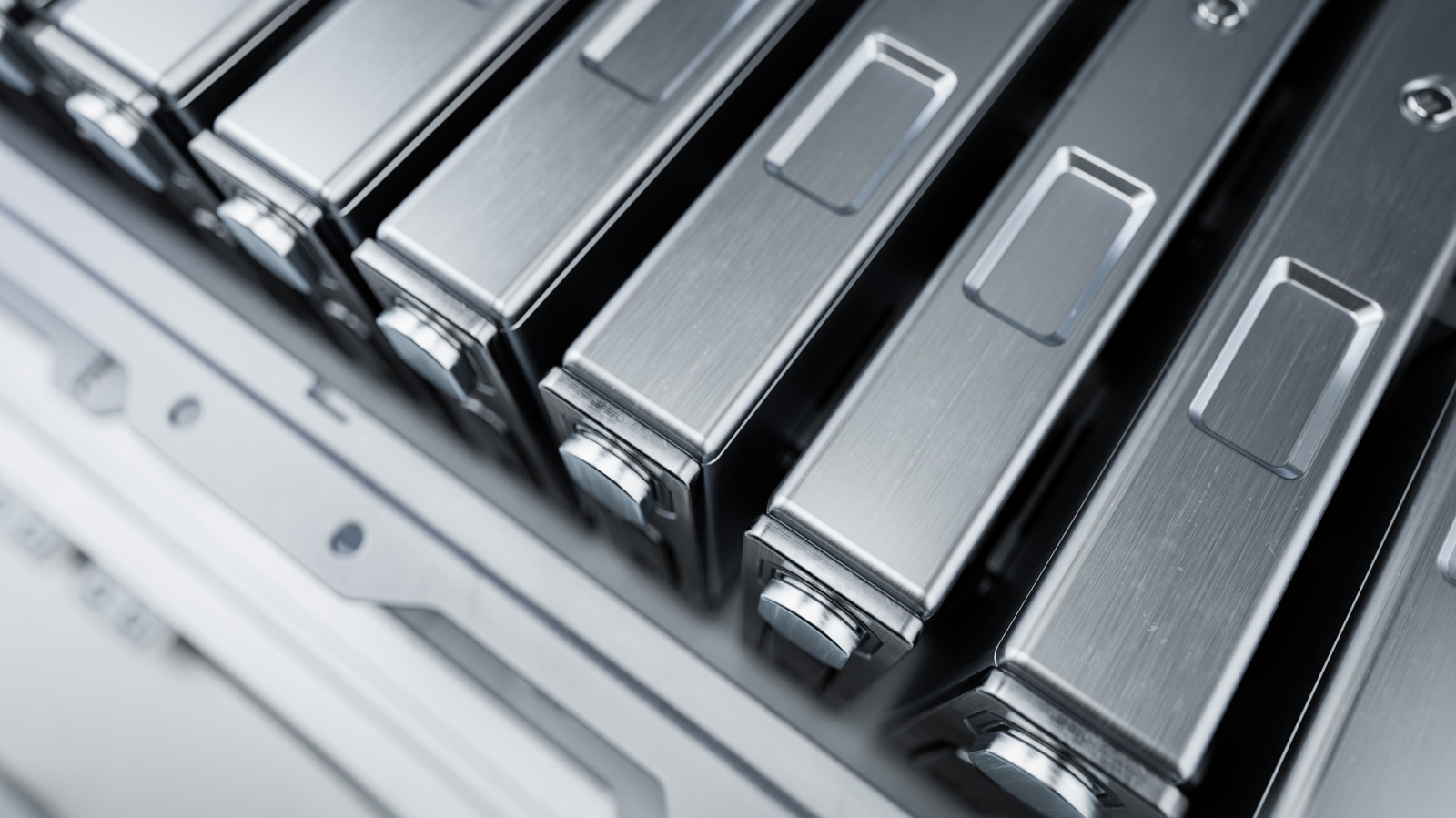
Sodium-ion batteries aren't all that different from lithium-ion batteries in terms of how they operate. Both store and release energy by moving charged particles between negative and positive electrodes. The difference is mainly in the composition and which elements supply the ions.

A lithium battery moves lithium ions from the negative electrode to its positive counterpart, while a sodium battery moves sodium ions. The biggest difference between them is energy density, or how much energy the battery stores for its weight and size. Sodium-ion cells reach roughly 175 watt-hours per kilogram, roughly 20 to 30 percent lower than lithium-ion cells. Lithium-ion phosphate pushes the number to 205 watt-hours, and lithium NMC (nickel manganese cobalt oxide) takes it a bit higher to 255.

Since sodium ions are bigger and heavier than lithium ions, storage and space would be a disadvantage for the larger sodium-ion batteries. In addition, sodium-ion cells operate at lower voltages. That doesn't mean sodium-ion is useless, but it does have limitations. Some manufacturers like CATL and General Motors/Peak Energy are moving forward with larger-scale commercial production, so we may be seeing the initial stages of a bigger push towards sodium batteries just over the horizon.

Sodium's biggest appeal is availability. The stuff is everywhere, especially compared to lithium.

In brief

Sodium-ion batteries aren't all that different from lithium-ion batteries in terms of how they operate. A lithium battery moves lithium ions from the negative electrode to its positive counterpart, while a sodium battery moves sodium ions. Since sodium ions are bigger and heavier than lithium ions, storage and space would be a disadvantage for the larger sodium-ion batteries.

This is the opening of the story, shared with credit to Engadget. The rest of the report — with every detail — continues on the publisher’s website.

Continue reading at Engadget ↗

Cookie settings

Choose which cookies we may use. You can change this at any time from Cookie settings in the footer. Details of each cookie are in the Cookie Policy.

Strictly necessary

Needed for sign-in, security, payments and remembering these choices. Always on.

Preferences

Remember settings such as dark mode.

Analytics & performance

Help us count visits, understand which pages, devices and countries our readers use, and measure how well the site performs – anonymous and aggregated.

Advertising & marketing

Lets advertising partners show and personalise adverts, measure impressions, clicks and visits, prevent ad fraud and pay us – this is how the free site is funded.

🔔 News notifications

Get headlines from NewsHub on this device — even when the site is closed.

You can switch this off at any time. Works on Android, Windows, Mac and Linux browsers; on iPhone/iPad add the site to your Home Screen first.