The only official dress code was simple: no combat.
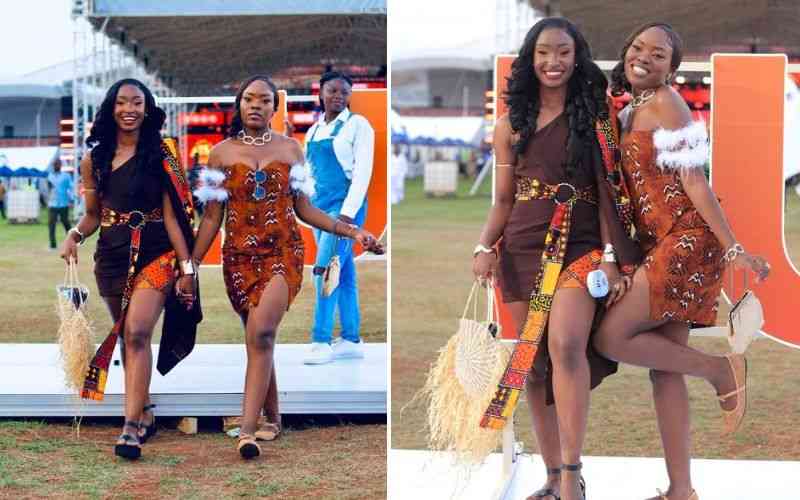
But judging by the fashion parade at Uhuru Gardens, revellers seemed to have reached an unspoken agreement to embrace traditional-inspired outfits, turning the festival into more than just a music experience.
It was, in many ways, a fashion experience too. Everyone had a ticket, but it almost felt as though each person had also been handed an outfit brief.
Ankara prints, in every imaginable colour and pattern, dominated the grounds. From bold, head-turning prints to carefully coordinated ensembles, the fabric was a clear favourite.
Animal prints also made an appearance, particularly among the men, who incorporated them into custom-made outfits. Patchwork detailing added character and individuality to their looks.
For the ladies, Ankara corsets were undoubtedly among the standout pieces. Some came in off-shoulder designs, while others opted for bandeau styles, offering a flattering, contemporary take on African-inspired fashion.
Paired with mini skirts, shorts or flowing palazzo pants, the corsets struck a balance between traditional aesthetics and modern festival dressing.
Short Ankara dresses were equally popular. Some revellers went for head-to-toe prints, while others broke up the bold patterns with contrasting fabrics, creating interesting combinations.
Two-piece ensembles also had their moment, offering effortless coordination while leaving room for individual expression.