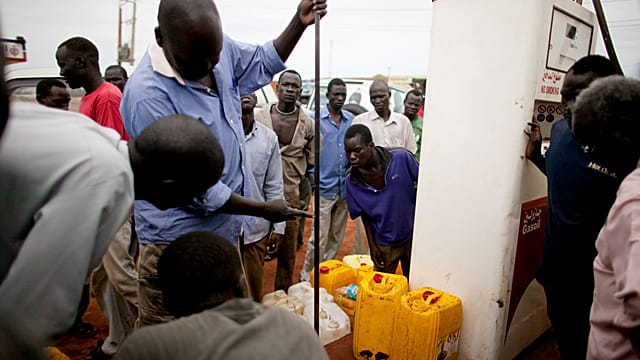
A deepening fuel crisis is paralysing daily life across Sudan, where long lines of vehicles at the few operating petrol stations have become a daily routine.
Amid the ongoing civil war, domestic refining has been crippled by drone attacks targeting infrastructure and energy and fuel sources.
At the time, conflict in the Middle East since late February has led to significant fluctuations in international energy market prices.
In his car at a petrol garage, Osman Faisal, a Khartoum resident, said he had started queuing for petrol at seven in the morning and had been waiting for over two hours.
"I don't know how much longer I'll have to wait. I haven't been able to fill up for a week,” he said.
“And the price of gasoline has further gone up recently. Now it costs about $58 per gallon. It has increased by over $8 in just several days."
The external shock of global oil prices has been exacerbated by the depreciation of the Sudanese pound against the US dollar, making every imported shipment more expensive.
Another Khartoum resident queuing for petrol, Adnan Osman, said he hoped the exchange rate would stabilise as soon as possible.
"Every morning when we wake up, we are forced to make a choice - go to work or queue for petrol," he said.