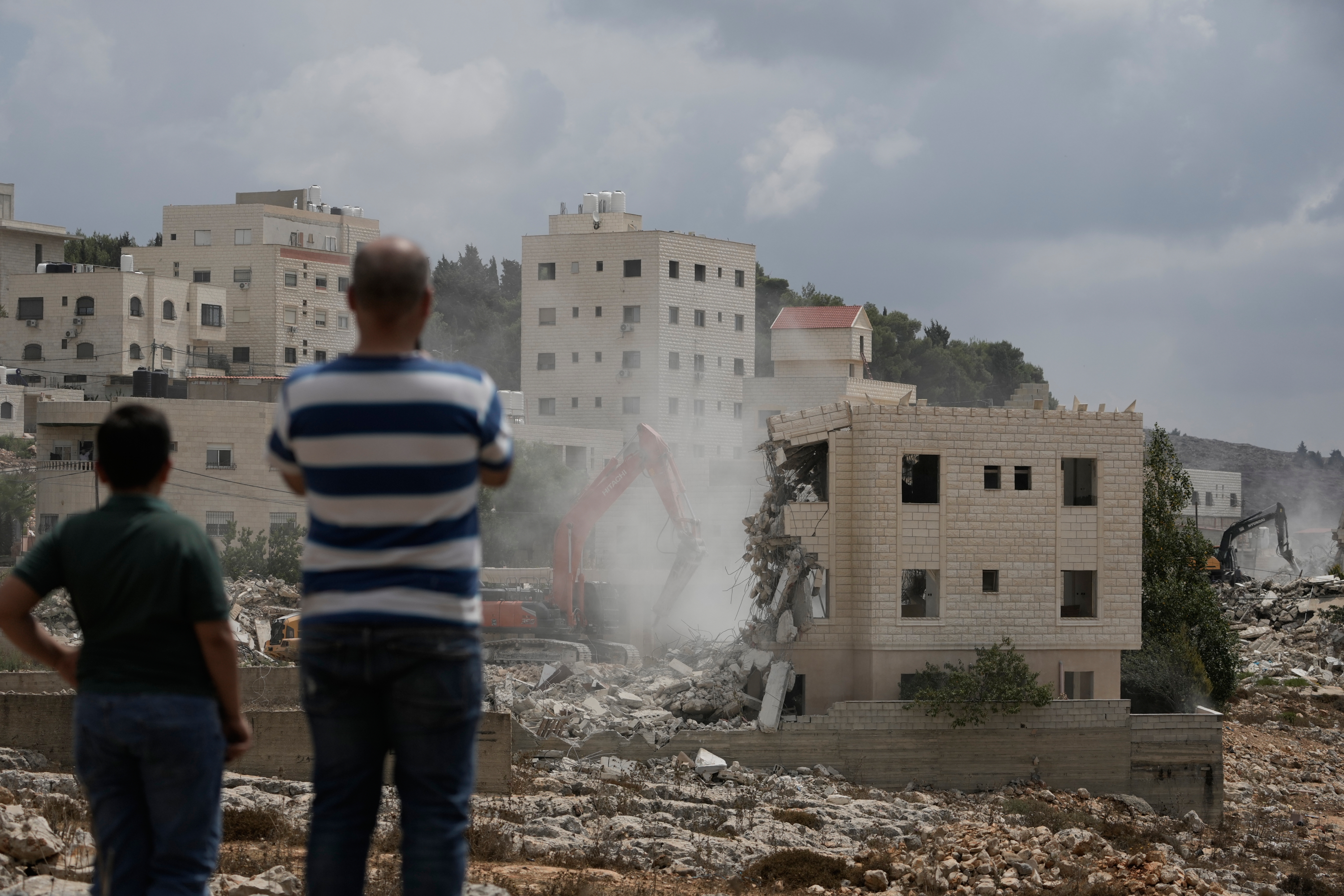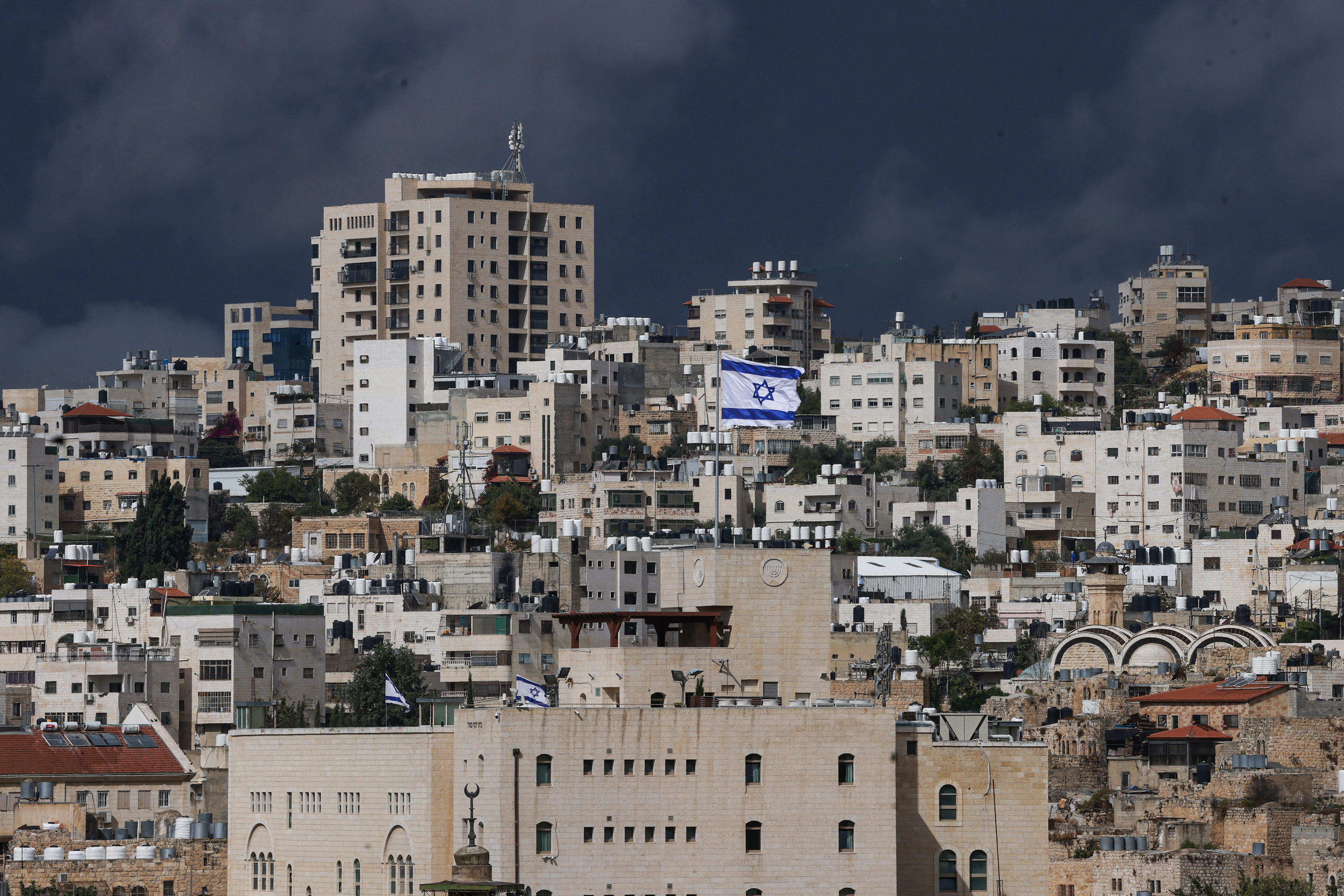
What Israel is doing throughout Palestine is nothing more than an extension of the Nakba in slow motion. The worst case is Gaza, where Israel callously ignores a “ceasefire” by killing civilians daily and denying the food, shelter and medical needs of 2 million suffering Palestinians, while continuing to encroach on Palestinian lands, compressing the population into ever-smaller areas. But the situation in the West Bank — and, by extension, what the Israelis call “East Jerusalem,” which, in addition to the holy city, includes 28 West Bank villages — must also be considered.
To understand how this is an extension of the Nakba, it is important to look back at what transpired in 1948 and why it happened.
When Jewish leaders in Palestine were presented with the 1948 UN partition plan, they accepted it despite having reservations about the viability of their proposed state. While the area reserved for the Israeli state included 80 percent of all Jewish inhabitants of Palestine, the area’s population was still evenly divided between Arabs and Jews. And despite the fact that the partitioned area included almost all of the Jewish-owned land in Palestine, that amounted to less than 10 percent of the total area, while Arabs owned four times more.