Negotiating teams from Likud and Yashar met for the first time Sunday afternoon. While it is not clear whether this is nothing but political theater, one thing is certain: neither party can afford to leave this particular stage.Why? Because neither Prime Minister Benjamin Netanyahu nor Yashar leader Gadi Eisenkot wants to be blamed for torpedoing something much of the country seems to want.Neither wants to be cast as the man who stood in the way of unity. In other words, they both want this to look real.Netanyahu and Eisenkot may be nowhere near agreement on who should lead the next government, what its composition should be or how it would address the issues that divide them. But neither wants to be seen as the man standing in the way of unity.That explained Netanyahu's video statement Saturday night calling on Eisenkot to enter negotiations without preconditions.The most intriguing part of the statement was what Netanyahu did not say.Netanyahu did not insist, as he has in previous calls for unity, that he must head the government. He did not say that he must serve first in a rotation. He simply called for the parties to sit down and talk.That omission was telling, creating an impression of flexibility without requiring Netanyahu to concede anything concrete.The prime minister still has not uttered the word…
Political theater or not, Netanyahu and Eisenkot both need unity talks to look real - analysis
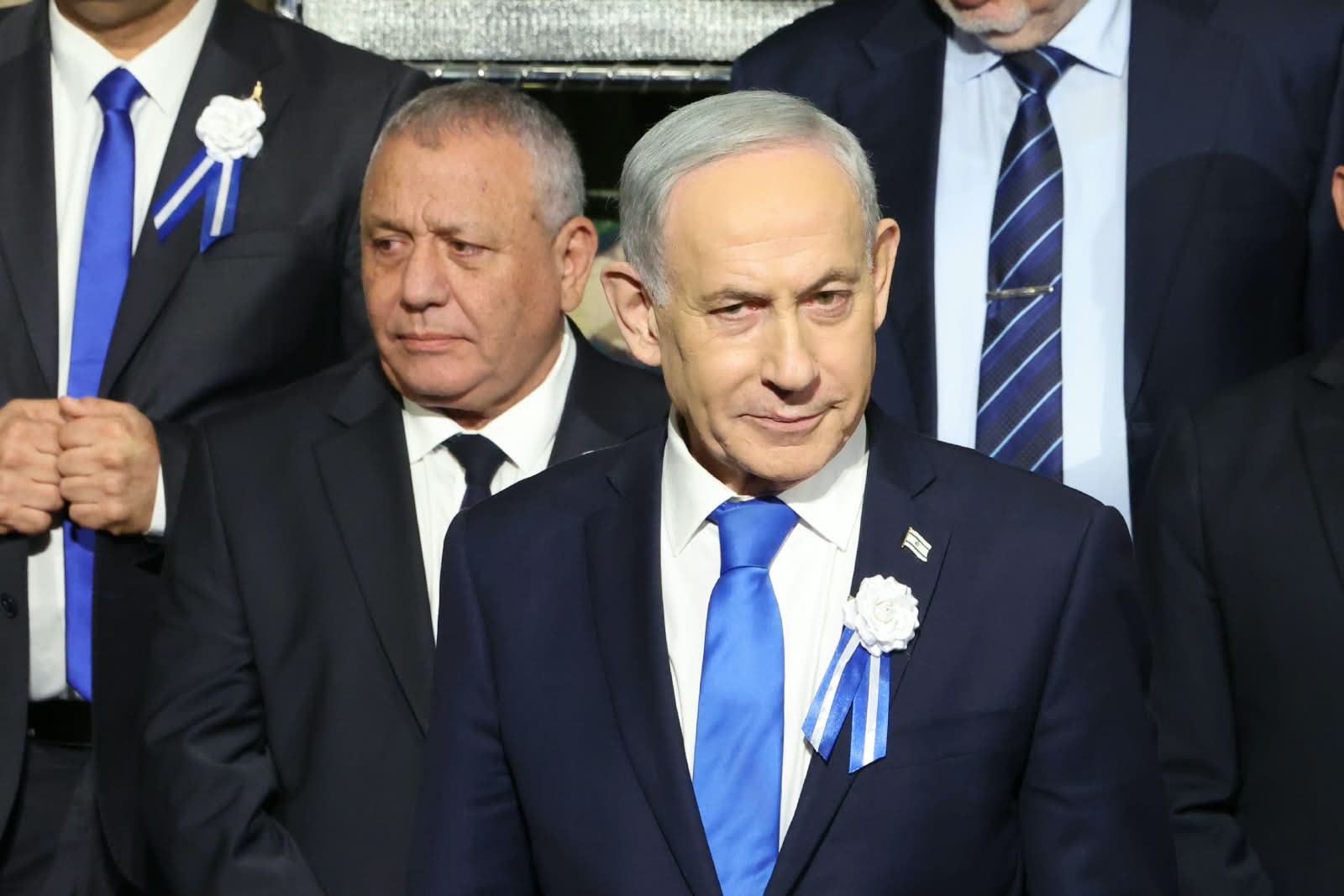
Netanyahu still hasn’t said the word 'rotation,' and Eisenkot called his appeal 'spin,' but neither wants to be cast as the man who stood in the way of unity.
In brief
Negotiating teams from Likud and Yashar met for the first time Sunday afternoon. Because neither Prime Minister Benjamin Netanyahu nor Yashar leader Gadi Eisenkot wants to be blamed for torpedoing something much of the country seems to want.Neither wants to be cast as the man who stood in the way of unity. In other words, they both want this to look real.Netanyahu and Eisenkot may be nowhere near agreement on who should lead the next government, what its composition should be or how it would address the issues that divide them.
This is the opening of the story, shared with credit to The Jerusalem Post. The rest of the report — with every detail — continues on the publisher’s website.
Continue reading at The Jerusalem Post ↗