Recent cyberattacks on refrigerators and bomb threats on flights across Europe show that the bloc is increasingly targeted by sabotage intended to disrupt systems and gain access to critical infrastructure. The new non-binding crisis guidelines, presented on November 3, are part of the EU’s Preparedness Union Strategy (2025) and complement previous measures, including the stockpiling and medical countermeasures strategies.They help households and communities prepare for crises, including power, communication, transport, and payment disruptions. The goal is 72 hours of self-sufficiency, easing pressure on emergency services so they can prioritise those most at risk. This means having enough food, water, and cash, along with practical skills such as cooking without electricity and administering first aid. Households should also have emergency plans and ready-to-grab kits containing documents and medicines in case of evacuation. Children should learn about preparedness in primary school through everyday teaching, play and routines, without causing fear or anxiety. Crisis measures must be accessible to everyone, including the elderly and people with disabilities. National authorities are encouraged to communicate risks and threats clearly, ensuring everyone receives timely, accessible, and reliable information before, during, and after emergencies. The Commission also announced plans for an annual EU preparedness day, with the first edition set for October 2027. Do you want to learn more about how to prepare for a crisis?
What should you have ready in case of a crisis? Ask the Euronews AI chatbot
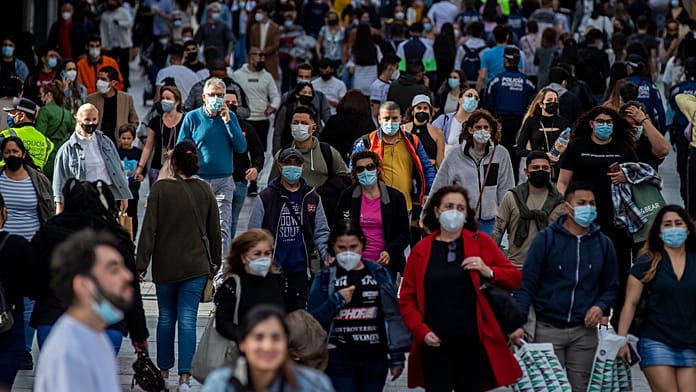
New EU crisis guidelines want citizens ready for emergencies, especially the first 72 hours, as cyberattacks, infrastructure failures, and security threats grow. But what do they cover? Ask the Euronews AI chatbot.
In brief
Recent cyberattacks on refrigerators and bomb threats on flights across Europe show that the bloc is increasingly targeted by sabotage intended to disrupt systems and gain access to critical infrastructure. Households should also have emergency plans and ready-to-grab kits containing documents and medicines in case of evacuation. Crisis measures must be accessible to everyone, including the elderly and people with disabilities.
This is the opening of the story, shared with credit to Euronews. The rest of the report — with every detail — continues on the publisher’s website.
Continue reading at Euronews ↗