📰 Newspapers

Global solidarity essential to tackling antimicrobial resistance: health official

Global solidarity essential to tackling antimicrobial resistance: health official

TEHRAN – Antimicrobial resistance (AMR) is one of the most serious threats facing health systems worldwide, posing an immediate challenge rather than a distant future risk and requiring global cooperation and solidarity to contain, a health official has said.

Estimates indicate that AMR directly causes around 1.2 million deaths annually, while nearly five million deaths are associated with the phenomenon. Without effective interventions, the annual death toll directly attributable to AMR could reach around 10 million by 2050.

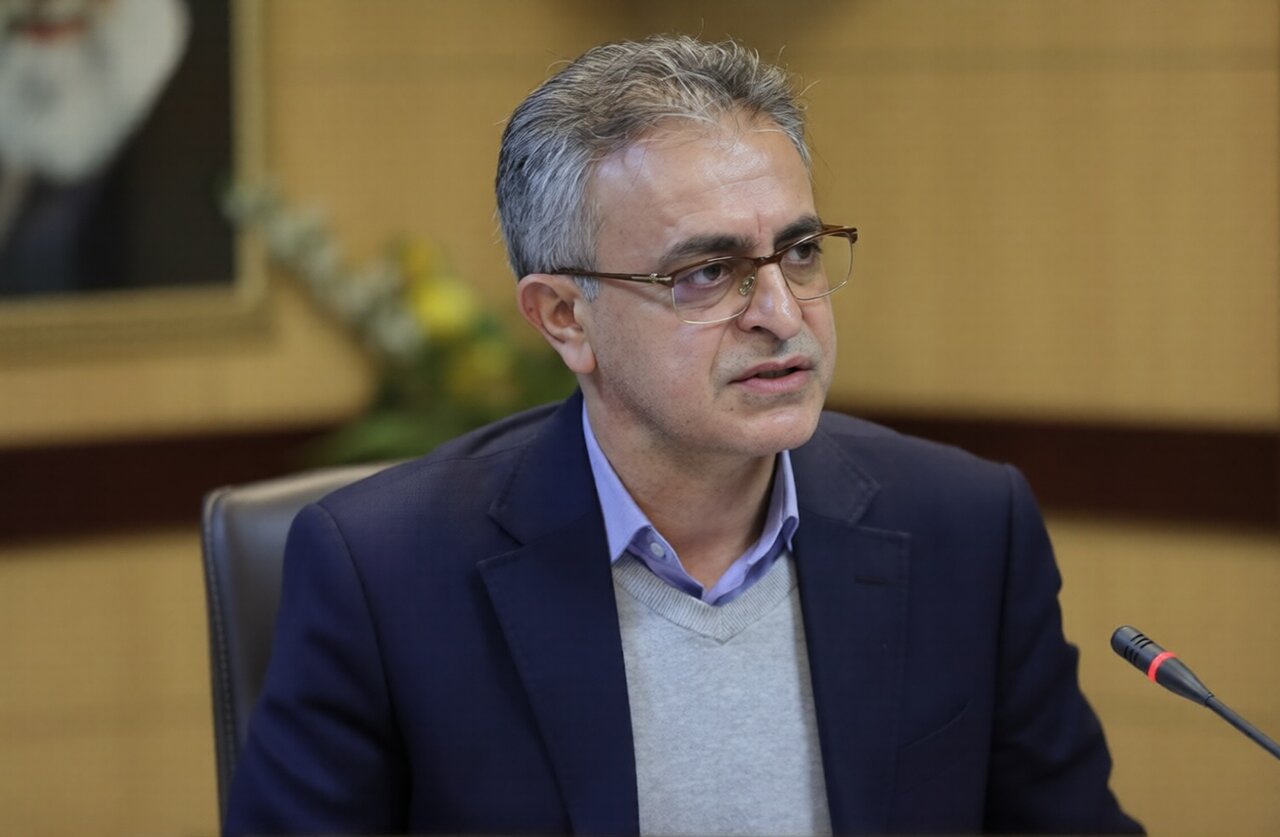
Qobad Moradi, head of the Communicable Diseases Management Center at the Ministry of Health, identified the excessive use of antimicrobial medicines and weaknesses in hospital infection prevention and control as major factors exacerbating the crisis.

He made the remarks on Monday during a webinar marking World AMR Awareness Week, observed annually from November 18 to 24.

AMR occurs when bacteria, viruses, fungi and parasites change over time and develop resistance to medicines, making infections increasingly difficult to treat and raising the risk of disease transmission, severe illness and death. As a result, antibiotics and other antimicrobial medicines become less effective or ineffective, making some infections difficult or even impossible to treat.

Moradi stressed that the consequences of AMR extend beyond human health, affecting food security, the economy and environmental sustainability as well.


In brief

TEHRAN – Antimicrobial resistance (AMR) is one of the most serious threats facing health systems worldwide, posing an immediate challenge rather than a distant future risk and requiring global cooperation and solidarity to contain, a health official has said. As a result, antibiotics and other antimicrobial medicines become less effective or ineffective, making some infections difficult or even impossible to treat.

This is the opening of the story, shared with credit to Tehran Times. The rest of the report — with every detail — continues on the publisher’s website.

Continue reading at Tehran Times ↗

Cookie settings

Choose which cookies we may use. You can change this at any time from Cookie settings in the footer. Details of each cookie are in the Cookie Policy.

Strictly necessary

Needed for sign-in, security, payments and remembering these choices. Always on.

Preferences

Remember settings such as dark mode.

Analytics & performance

Help us count visits, understand which pages, devices and countries our readers use, and measure how well the site performs – anonymous and aggregated.

Advertising & marketing

Lets advertising partners show and personalise adverts, measure impressions, clicks and visits, prevent ad fraud and pay us – this is how the free site is funded.

🔔 News notifications

Get headlines from NewsHub on this device — even when the site is closed.

You can switch this off at any time. Works on Android, Windows, Mac and Linux browsers; on iPhone/iPad add the site to your Home Screen first.