

AI capabilities were integrated into about 30% of IDF systems in less than a year after October 7, according to Golan Malca, vice president of sales and business development at TSG Systems and former head of the dual-use division at MAFAT, the Defense Ministry's research and development directorate. Malca made the comments in an interview in an episode of The Jerusalem Post's Defense and Tech Podcast.Malca said his main goal at MAFAT was to bring mature AI from the commercial and civilian sectors into the defense ecosystem, where he found the technology was “not mature enough.” He said that during the first year of the war, infantry soldiers received technologies adapted from smartphones, commercial drones and AI algorithms, and that commanders changed how they thought about using AI.According to Malca, AI has also sped up TSG's own work. He said the company now promises potential customers that when they bring a new sensor, “It will take us not more than one week, maximum two weeks to adapt our system to the new sensor.”He said that work used to take weeks or sometimes months. Still, he does not expect machines to take over battlefield judgment. “I don't think that the AI will replace the mindset that the commanders bring to the battle,” he said.Malca said European customers want combat-proven systems and…
Former MAFAT official: AI added to 30% of IDF systems within a year after October 7
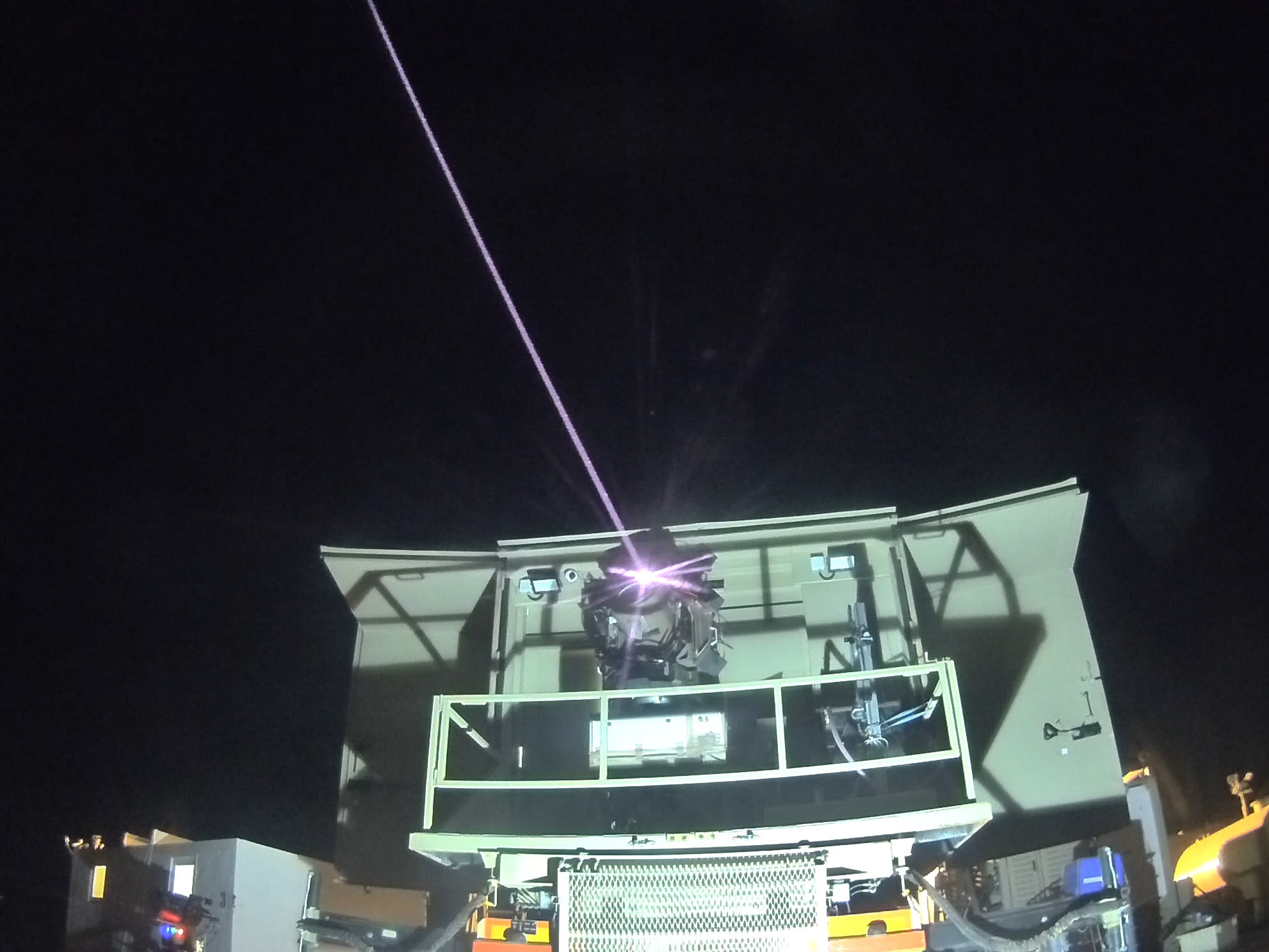
TSG’s Golan Malca says the war pushed civilian AI onto the battlefield quickly, and that European buyers now want combat-proven Israeli systems.
In brief
AI capabilities were integrated into about 30% of IDF systems in less than a year after October 7, according to Golan Malca, vice president of sales and business development at TSG Systems and former head of the dual-use division at MAFAT, the Defense Ministry's research and development directorate. “I don't think that the AI will replace the mindset that the commanders bring to the battle,” he said.Malca said European customers want combat-proven systems and…
This is the opening of the story, shared with credit to The Jerusalem Post. The rest of the report — with every detail — continues on the publisher’s website.
Continue reading at The Jerusalem Post ↗