

The commission accuses the Office of the Director of Public Prosecutions (ODPP) of returning investigation files, even after completing investigations.
The Ethics and Anti-Corruption Commission (EACC) says legal restrictions on its prosecution powers are undermining the fight against high-level graft.
The commission accuses the Office of the Director of Public Prosecutions (ODPP) of returning investigation files, even after completing investigations.
EACC is pushing for urgent passage of the Anti-Corruption Laws Amendment Bill, 2024, to give it direct prosecution powers.
The Senate Standing Committee on National Cohesion, Equal Opportunity and Regional Integration on Wednesday put EACC on the spot over its record in tackling high-level corruption.
The commission faced questions on why few senior officials have been prosecuted, while low-level suspects are more frequently targeted.
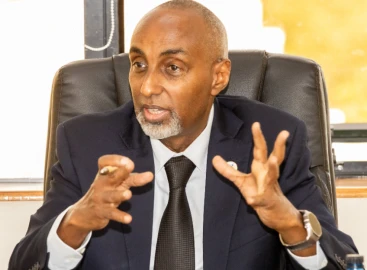
EACC Chief Executive Officer (CEO) Abdi Ahmed Mohamud defended the commission's record, insisting that its investigations are thorough before files are forwarded to the ODPP. But he says some files are returned, creating fresh hurdles in the prosecution process.
Makueni Senator Dan Maanzo: “We have not had you prosecute any of the current Cabinet Secretaries or any high-level senior officials in the current government, and yet we know corruption is rising daily.”
“The investigation process is watertight. It can't be compromised. We have limitations, and we want the Senate to come in,” Mohamud said.