

DUBAI/PARIS, Nov 17 (Reuters) - After nearly nine months of war, the United States and Iran are each acting as if they have time on their side, a calculation that has locked them in a stalemate that is almost impossible for either to break.
It is a risky gamble, with two former US Middle East negotiators, European officials and Gulf sources saying fighting could resume before a diplomatic exit becomes possible.
US President Donald Trump has chosen to squeeze Iran rather than hit it hard again or concede. Persuaded that renewed bombing would not change the outcome and could trigger Iranian reprisals against Gulf energy infrastructure, he has held off.
Trump is counting instead on a naval blockade of Iran and economic pain forcing Tehran to give ground and agree to concessions on its nuclear programme.
Iranian leaders have drawn the opposite conclusion.
Emboldened by election setbacks for Trump's Republican Party and for Israeli Prime Minister Benjamin Netanyahu, they have raised the cost of a peace deal for the US, demanding that Washington make the first move towards a resolution.
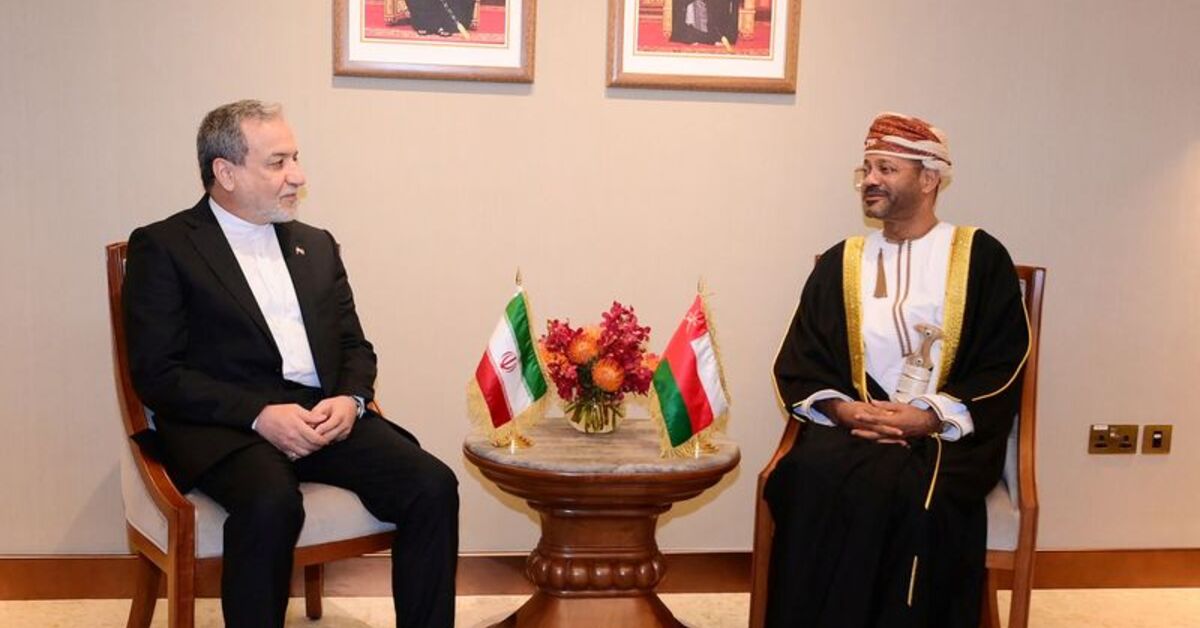
Tehran says it is open to diplomacy, and was meeting Omani and Qatari mediators on Tuesday, but accuses Washington of pursuing coercion and says it will not yield to US pressure.