📰 Newspapers

State Department Cautions Against Using Vulnerable Minors For Online Fundraising Amid Eric Omondi’s Recent Drives

State Department Cautions Against Using Vulnerable Minors For Online Fundraising Amid Eric Omondi’s Recent Drives

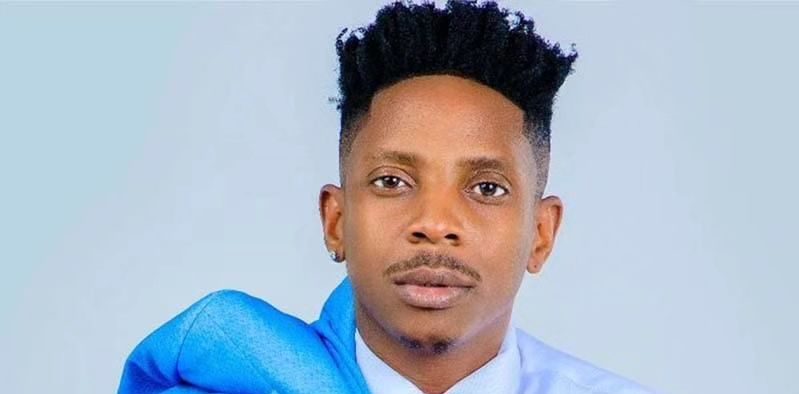
Comedian and philanthropist Eric Omondi may need to adjust how he documents and publicizes the plights of vulnerable children during his online fundraising drives, following a strict new government directive on child privacy.

On Tuesday, November 17, 2026, the State Department for Children Services issued a stern caution to individuals, organizations, and digital content creators against publishing photographs, videos, and sensitive personal details of minors in ways that compromise their identities while soliciting financial aid. Although the department did not mention Omondi by name, the directive directly impacts the visual storytelling model he relies on to rally Kenyans behind charitable causes.

Omondi has built a prominent humanitarian initiative around sharing raw, unfiltered videos of struggling families and children on social media to highlight their living conditions and medical challenges. In one notable recent appeal, he featured 17-year-old Bryson Makokha, who suffers from a rare skin condition, sharing the teenager’s images and story online in a campaign that reportedly raised Ksh10.2 million for his medical care and family welfare.

While acknowledging the vital role well-wishers play in supporting needy households, the State Department expressed deep concern over the rising trend of using minors’ faces and medical histories to evoke public sympathy and generate donations.


In brief

Comedian and philanthropist Eric Omondi may need to adjust how he documents and publicizes the plights of vulnerable children during his online fundraising drives, following a strict new government directive on child privacy. While acknowledging the vital role well-wishers play in supporting needy households, the State Department expressed deep concern over the rising trend of using minors’ faces and medical histories to evoke public sympathy and generate donations.

This is the opening of the story, shared with credit to Ghafla!. The rest of the report — with every detail — continues on the publisher’s website.

Continue reading at Ghafla! ↗

Cookie settings

Choose which cookies we may use. You can change this at any time from Cookie settings in the footer. Details of each cookie are in the Cookie Policy.

Strictly necessary

Needed for sign-in, security, payments and remembering these choices. Always on.

Preferences

Remember settings such as dark mode.

Analytics & performance

Help us count visits, understand which pages, devices and countries our readers use, and measure how well the site performs – anonymous and aggregated.

Advertising & marketing

Lets advertising partners show and personalise adverts, measure impressions, clicks and visits, prevent ad fraud and pay us – this is how the free site is funded.

🔔 News notifications

Get headlines from NewsHub on this device — even when the site is closed.

You can switch this off at any time. Works on Android, Windows, Mac and Linux browsers; on iPhone/iPad add the site to your Home Screen first.