📰 Newspapers

OPINION: Why China’s Future Depends on Strong Institutions

OPINION: Why China’s Future Depends on Strong Institutions

The anti-corruption agenda remains a central part of this effort, but it should be viewed within this wider institutional framework. The resolution calls for an integrated approach that addresses both the symptoms and underlying causes of corruption. Its stated objective is to ensure that officials do not have the audacity, opportunity or desire to engage in corrupt practices.

Political leadership is tested not only by the ability to acquire power, but also by the capacity to sustain effective governance, respond to changing circumstances and remain connected to the aspirations of the people. For a country as large and complex as China, these demands are particularly significant.

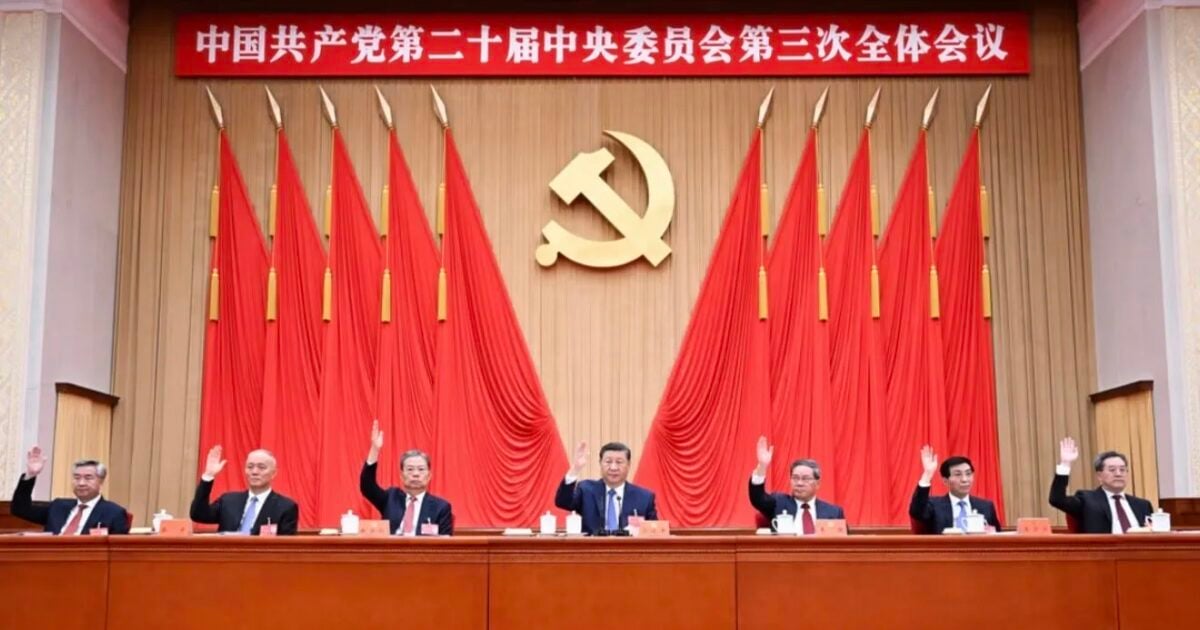
This is the broader context in which the Fifth Plenary Session of the 20th Central Committee of the Communist Party of China (CPC), held in Beijing from October 26 to 29, 2026, should be understood. While much of the public attention surrounding the meeting has focused on its anti-corruption agenda, its significance extends considerably further. At its centre is a question of long-term political and institutional capacity: how does a governing party continually renew itself to meet the demands of a changing nation?

The session adopted a resolution on persevering with full and rigorous Party self-governance. Its emphasis reflects an approach in which institutional renewal is treated not as an occasional exercise, but as an essential part of sustaining the Party’s leadership and advancing China’s modernisation.

One of the most striking ideas in the communiqué is the identification of two ways of addressing what it describes as the historical cycle of rise and decline: oversight by the people and the Party’s capacity for self-reform.

In brief

Political leadership is tested not only by the ability to acquire power, but also by the capacity to sustain effective governance, respond to changing circumstances and remain connected to the aspirations of the people. At its centre is a question of long-term political and institutional capacity: how does a governing party continually renew itself to meet the demands of a changing nation? The session adopted a resolution on persevering with full and rigorous Party self-governance.

This is the opening of the story, shared with credit to Capital FM Kenya. The rest of the report — with every detail — continues on the publisher’s website.

Continue reading at Capital FM Kenya ↗

Cookie settings

Choose which cookies we may use. You can change this at any time from Cookie settings in the footer. Details of each cookie are in the Cookie Policy.

Strictly necessary

Needed for sign-in, security, payments and remembering these choices. Always on.

Preferences

Remember settings such as dark mode.

Analytics & performance

Help us count visits, understand which pages, devices and countries our readers use, and measure how well the site performs – anonymous and aggregated.

Advertising & marketing

Lets advertising partners show and personalise adverts, measure impressions, clicks and visits, prevent ad fraud and pay us – this is how the free site is funded.

🔔 News notifications

Get headlines from NewsHub on this device — even when the site is closed.

You can switch this off at any time. Works on Android, Windows, Mac and Linux browsers; on iPhone/iPad add the site to your Home Screen first.