Kenya is seeking to turn traditional craftsmanship into a major driver of economic growth by attracting investment into cultural enterprises, expanding market access and creating sustainable livelihoods for artisans and young people.
The strategy is expected to strengthen the country’s creative economy by transforming indigenous skills into commercially viable businesses while ensuring traditional knowledge is passed on to future generations.
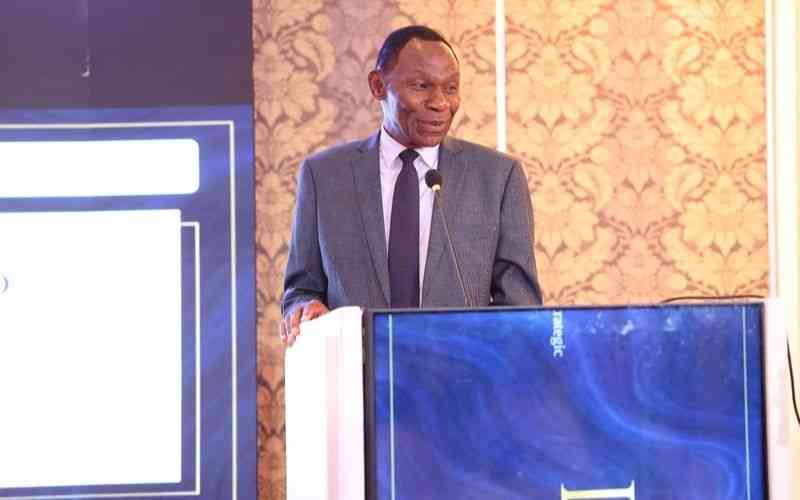
The initiative took centre stage during the IMARA Breakfast 2026 held in Nairobi on Tuesday, bringing together government representatives, investors, development partners and cultural institutions to explore investment opportunities in Kenya’s living heritage.
Convened by Egware Museum, the Kenya Investment Authority (InvestKenya) and the Kenya National Commission for UNESCO, the meeting focused on the theme, Living Heritage, Youth and Sustainable Livelihoods.
At the centre of the discussions was the soapstone carving industry in Tabaka, Kisii County, where generations of artisans have built livelihoods from transforming locally sourced stone into sculptures and decorative products. Figures reported by Egware Museum indicate that its soapstone enterprise has produced more than 31,200 sculptures since 2023, generated Sh19.5 million in artisan income, engaged 70 sculptors and supported more than 1,890 families.
The figures point to the commercial potential of cultural enterprises and their capacity to generate income beyond conventional sectors of the economy.