📰 Newspapers

UK government ‘breaking the law’ by not stopping decline of wild birds

UK government ‘breaking the law’ by not stopping decline of wild birds

Populations at lowest level on record with 45% of native breeding species in decline, environment regulator says

Environment secretary Angela Eagle, her ministers and Natural England are breaking the law by failing to intervene to slow the catastrophic decline of Britain’s wild birds, the UK’s environment regulator has said.

New data shows wild bird populations have dropped to their lowest level on record, with almost half – 45% – of 132 native breeding species in decline over a five-year period.

In the last five decades, Britain has lost more than 73 million wild birds from its landscape, according to the British Trust for Ornithology (BTO).

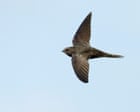
The loss of wild birds includes some of Britain’s best-loved garden birds, including swifts, turtledoves and tree sparrows, as well as wood warblers and bullfinches.

Ministers have legal responsibilities to take action to recover bird populations to healthy levels, as well as specific duties to designate Special Protection Areas (SPAs) where birds and their habitats are legally protected.

But the Office for Environmental Protection (OEP), the independent environmental regulator, said on Wednesday that the environment secretary, her department and Natural England were all breaking the law by failing to protect wild birds.

Eagle has breached environmental law by failing to classify new SPAs, extend existing sites or add new species to those that are protected…


In brief

Populations at lowest level on record with 45% of native breeding species in decline, environment regulator says Environment secretary Angela Eagle, her ministers and Natural England are breaking the law by failing to intervene to slow the catastrophic decline of Britain’s wild birds, the UK’s environment regulator has said. The loss of wild birds includes some of Britain’s best-loved garden birds, including swifts, turtledoves and tree sparrows, as well as wood warblers and bullfinches.

This is the opening of the story, shared with credit to The Guardian — World. The rest of the report — with every detail — continues on the publisher’s website.

Continue reading at The Guardian — World ↗

Cookie settings

Choose which cookies we may use. You can change this at any time from Cookie settings in the footer. Details of each cookie are in the Cookie Policy.

Strictly necessary

Needed for sign-in, security, payments and remembering these choices. Always on.

Preferences

Remember settings such as dark mode.

Analytics & performance

Help us count visits, understand which pages, devices and countries our readers use, and measure how well the site performs – anonymous and aggregated.

Advertising & marketing

Lets advertising partners show and personalise adverts, measure impressions, clicks and visits, prevent ad fraud and pay us – this is how the free site is funded.

🔔 News notifications

Get headlines from NewsHub on this device — even when the site is closed.

You can switch this off at any time. Works on Android, Windows, Mac and Linux browsers; on iPhone/iPad add the site to your Home Screen first.