📰 Newspapers

Iowa residents brace for a lead dust cloud as Army plans to detonate 5 tons of bomb-making chemicals

Iowa residents brace for a lead dust cloud as Army plans to detonate 5 tons of bomb-making chemicals

Residents are raising concerns about plans by the U.S. Army to detonate about 5 tons of bomb-making chemicals at an ammunition plant in southeast Iowa

Want to bookmark your favourite articles and stories to read or reference later? Start your Independent Membership today.

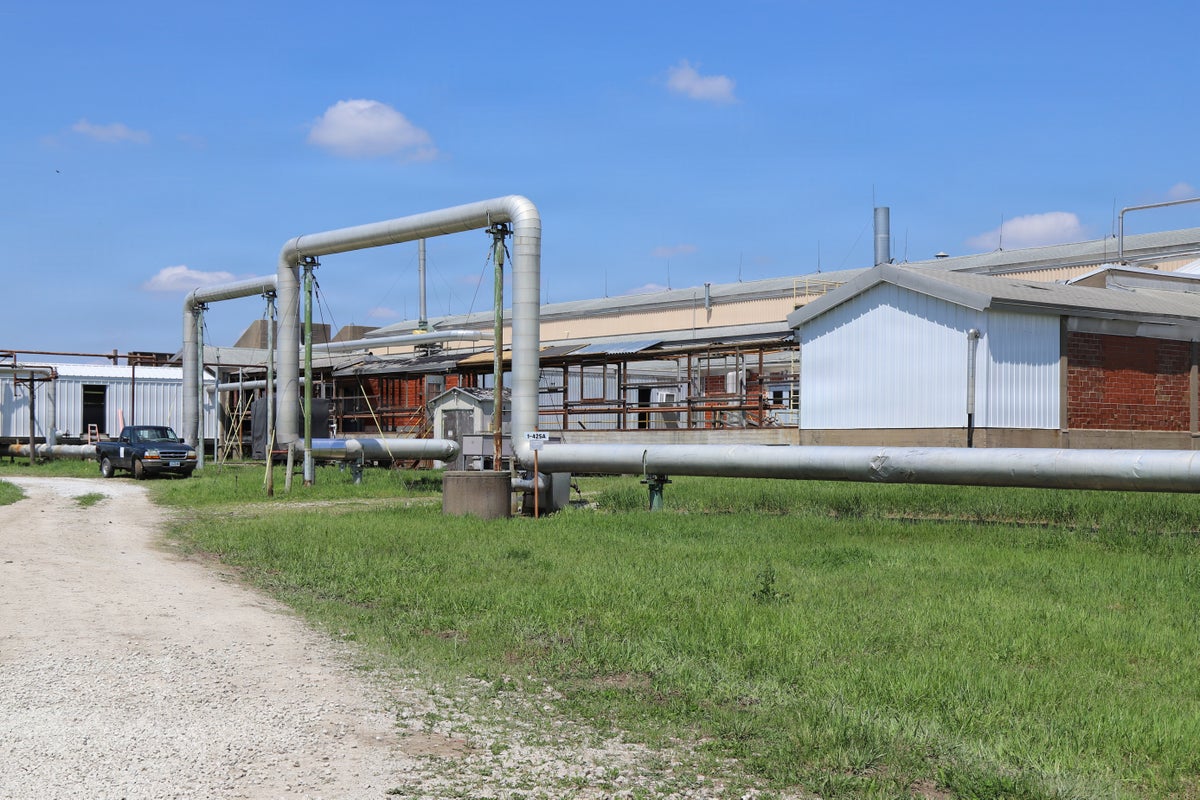
Plans by the U.S. Army to detonate about 5 tons of bomb-making chemicals that have become unusable and might explode if moved have residents in southeast Iowa worried that a cloud of lead dust could cause environmental contamination and health problems.

The detonation at the Iowa Army Ammunition Plant is set for Friday, and officials recommend that residents of a neighborhood in nearby Middletown begin vacating the area that morning. If they can’t leave their homes, they should stay inside and keep windows and doors closed.

“The detonation will result in an air plume with some lead-containing particles which will disperse in the air and deposit on the ground,” an advisory states. “Lead is toxic to humans and animals. The goal of this advisory is to provide the public with actionable information out of an abundance of caution to minimize lead exposure.”

Officials also have released maps showing the potential for lead dust to drift north toward other communities. Some schools in the path of the plume have canceled classes.

Nearly 400 people live in Middletown, but there are thousands more in the track of the plume.

The vibrations from the two blasts will be quick but could break old windows in…

In brief

Want to bookmark your favourite articles and stories to read or reference later? Army to detonate about 5 tons of bomb-making chemicals that have become unusable and might explode if moved have residents in southeast Iowa worried that a cloud of lead dust could cause environmental contamination and health problems. Officials also have released maps showing the potential for lead dust to drift north toward other communities.

This is the opening of the story, shared with credit to The Independent — World. The rest of the report — with every detail — continues on the publisher’s website.

Continue reading at The Independent — World ↗

Cookie settings

Choose which cookies we may use. You can change this at any time from Cookie settings in the footer. Details of each cookie are in the Cookie Policy.

Strictly necessary

Needed for sign-in, security, payments and remembering these choices. Always on.

Preferences

Remember settings such as dark mode.

Analytics & performance

Help us count visits, understand which pages, devices and countries our readers use, and measure how well the site performs – anonymous and aggregated.

Advertising & marketing

Lets advertising partners show and personalise adverts, measure impressions, clicks and visits, prevent ad fraud and pay us – this is how the free site is funded.

🔔 News notifications

Get headlines from NewsHub on this device — even when the site is closed.

You can switch this off at any time. Works on Android, Windows, Mac and Linux browsers; on iPhone/iPad add the site to your Home Screen first.