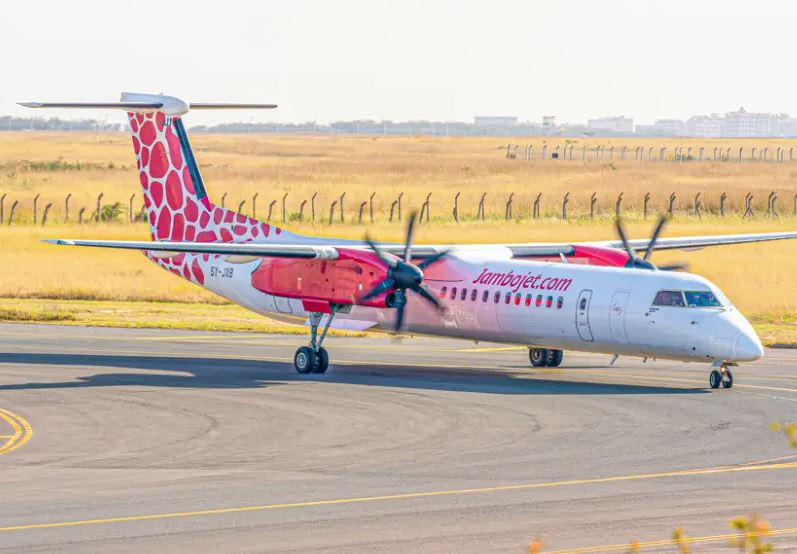
Jambojet has cut its fuel expenditure by 16 per cent in four years, highlighting how changes in routine airline operations can help businesses manage rising costs without necessarily investing in new aircraft.
The regional carrier has achieved the reduction by changing how its aircraft use fuel before, during and after flights. The approach combines pilot adjustments with closer analysis of flight data to determine how much fuel is needed for different journeys.
The savings come at a time when fuel remains a major expense for airlines, with consumption affecting ticket pricing, operating margins and the overall cost of maintaining flight schedules.
For Jambojet, which operates a network of domestic and regional routes, reducing fuel consumption across multiple daily flights can translate into considerable savings over time.
Managing Director and Chief Executive Officer Karanja Ndegwa said the airline had recorded the reduction through a series of operational improvements introduced over the past four years.
“Over the last four years, we have saved about 16 per cent of our fuel costs by having these initiatives in place,” Ndegwa said.
Rather than relying on one major intervention, the airline has focused on several smaller changes that collectively reduce the amount of fuel consumed during flight operations.
One change involves how aircraft move after landing.