Kenya's efforts to attract multinational companies through preferential tax rates are taking place alongside the introduction of a global minimum taxation framework that could increase the tax liabilities of some of those investors.
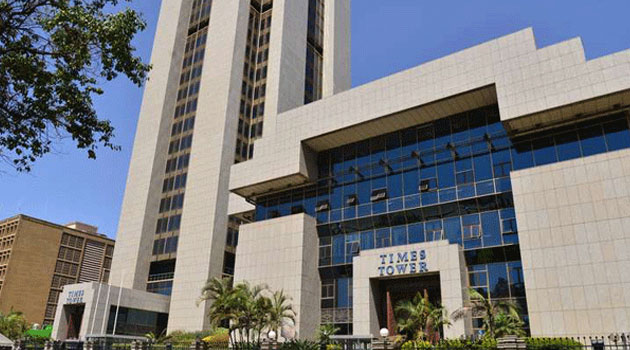
The country's Nairobi International Financial Centre (NIFC) offers qualifying holding companies a 15% corporate income tax rate for their first 10 years of operation, rising to 20% for the following decade. The incentives form part of Kenya's strategy to attract regional headquarters and international businesses.
However, qualifying multinational groups operating in Kenya must also consider the country's Minimum Top-Up Tax (MTT), which seeks to ensure that large international groups pay an effective tax rate of at least 15% in the jurisdictions where they operate.
Samuel Maina, Senior Tax Manager in charge of Transfer Pricing at RSM East Africa, says companies benefiting from preferential tax regimes, including those operating in Export Processing Zones (EPZs) and Special Economic Zones (SEZs), can fall within the minimum tax framework if their multinational groups meet its revenue threshold.
The rules introduce a new calculation for companies whose domestic tax treatment results in an effective rate below the international minimum. Kenya's investment incentives face a new tax calculation Kenya has expanded its use of preferential tax arrangements to attract investment into financial services, manufacturing, technology and other sectors.