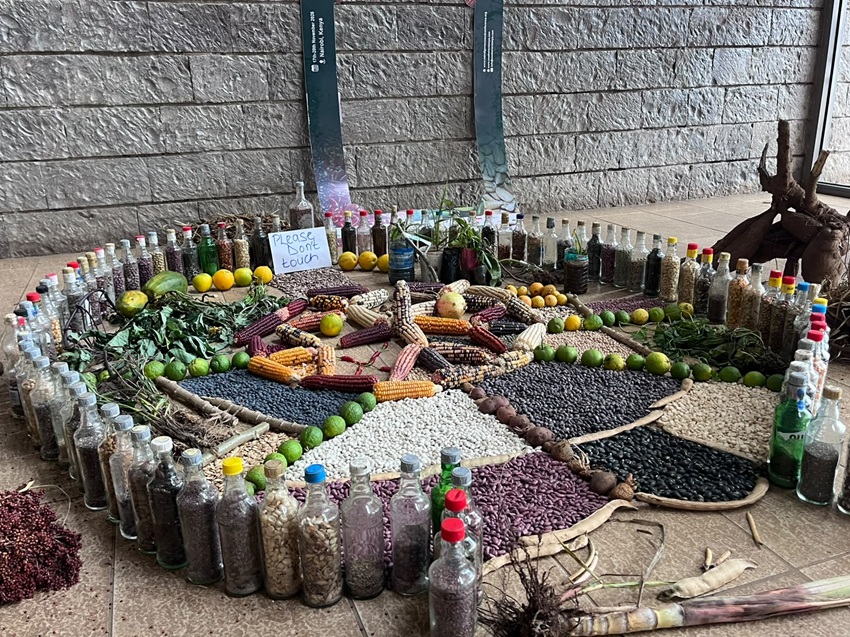
The loss of indigenous crop varieties and growing dependence on imported commercial seeds are threatening food security and farmers’ control over what they grow.
To address these challenges, farmers, policymakers, researchers and development partners gathered in Nairobi for the first Eastern Africa Indigenous Seeds Conference, calling for stronger protection of farmer-managed seed systems, investment in local varieties and policies that safeguard seed sovereignty.
Convened by Seed Savers Network from November 17 to 20, 2026, at the Catholic University of Eastern Africa, the conference was held under the theme “Realizing the Right to Food through Seed Sovereignty.” Participants explored how preserving indigenous seeds, strengthening community seed banks and supporting farmers’ rights to save and exchange seeds can build more resilient food systems.
For Judy Nyokabi Mugo, a farmer and Gender Transformative Approaches (GTA) champion from Gatundu North, Kiambu County, preserving indigenous seeds protects cultural heritage, reduces farming costs and strengthens food security. She learned about traditional seed preservation from her grandparents.
“I have grown these seeds since I was a young girl. My father used to tell us about their importance, and we learned how to preserve them from our grandparents,” she said.
One variety she grows is Gikuyu, an original Kikuyu maize variety that she says is naturally resilient to pests, including fall armyworms, reducing the need for chemical pesticides.…