📰 Newspapers

Ricefields to piggery: Questions over land conversion for 50,000-hog facility in Quezon

Ricefields to piggery: Questions over land conversion for 50,000-hog facility in Quezon

Questions are raised over the conversion of irrigated ricefields in San Antonio, Quezon, into a 50,000-hog piggery, with residents seeking answers about tenant farmers’ rights and the government approvals behind the project

1st of two parts

QUEZON PROVINCE, Philippines – How did a 12-hectare tract of land formerly planted to rice become the site of a massive piggery designed to accommodate as many as 50,000 hogs?

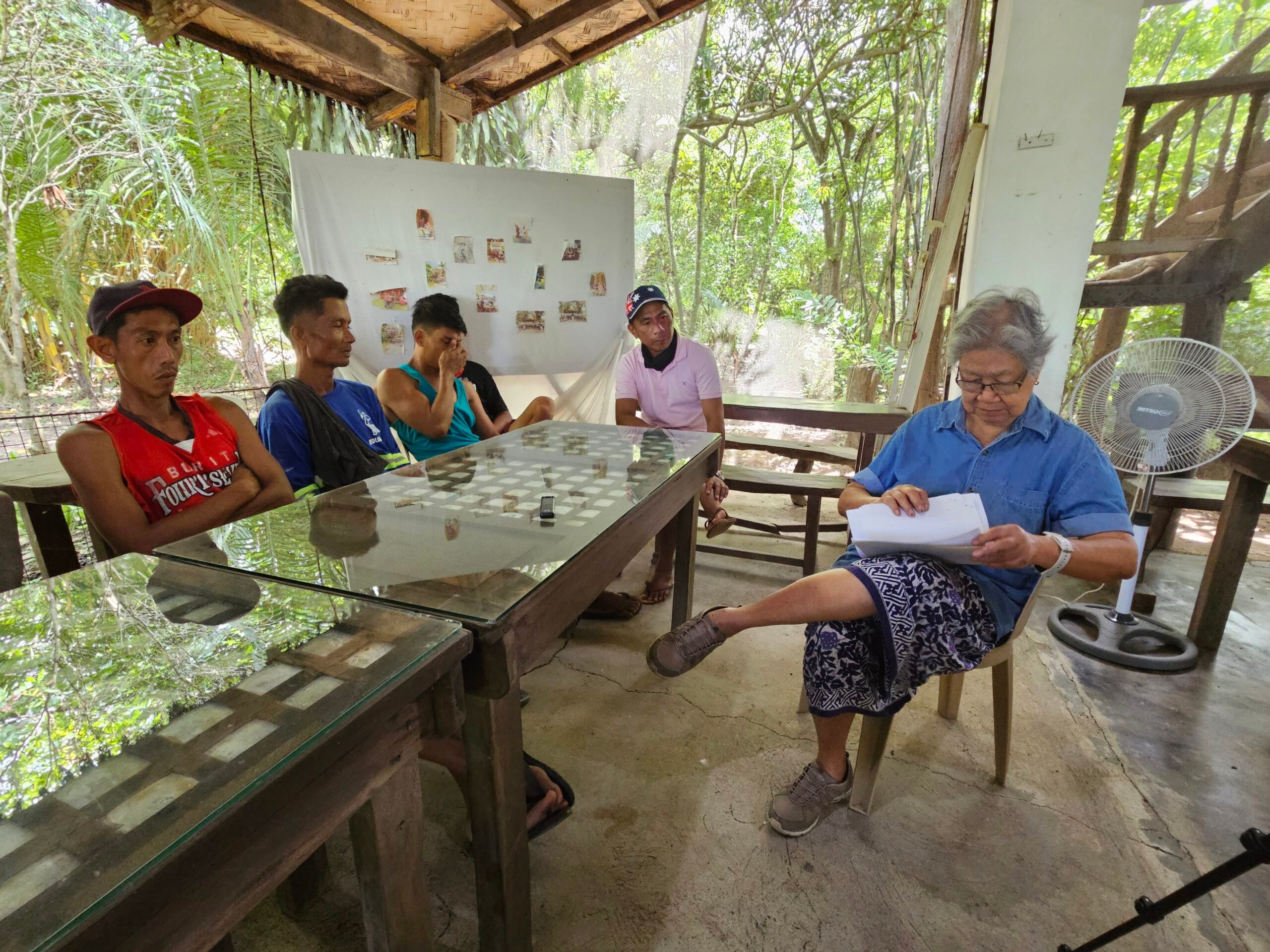
For more than two years, Emma Alday, now in her eighties, has been seeking answers from government agencies about the development of Mighty Livestock Farms in Barangay Callejon, San Antonio, Quezon.

For Alday, whose own farm lies just 250 meters from the development, the issue raises questions about the protection of irrigated agricultural land, the rights of tenant farmers, and the government approvals that allowed the project to proceed.

Despite numerous inquiries, visits to government offices, and an appeal to President Ferdinand Marcos Jr. bearing approximately 300 signatures from concerned residents, Alday says she has yet to receive a satisfactory explanation.

From riceland to piggery

According to Alday, the property was purchased approximately two years before construction began. At the time, residents had no idea that the land would eventually be used for a large-scale piggery.

“They bought it mga 2 years before construction, tinanggal nila ang tubigan. Walang kamalay-malay ang mga tao na piggery pala (They removed the irrigation system. The people had no idea it was going to be a piggery),” she recalled.
In brief

1st of two parts QUEZON PROVINCE, Philippines – How did a 12-hectare tract of land formerly planted to rice become the site of a massive piggery designed to accommodate as many as 50,000 hogs? From riceland to piggery According to Alday, the property was purchased approximately two years before construction began. At the time, residents had no idea that the land would eventually be used for a large-scale piggery.

This is the opening of the story, shared with credit to Rappler (Philippines). The rest of the report — with every detail — continues on the publisher’s website.

Continue reading at Rappler (Philippines) ↗

Cookie settings

Choose which cookies we may use. You can change this at any time from Cookie settings in the footer. Details of each cookie are in the Cookie Policy.

Strictly necessary

Needed for sign-in, security, payments and remembering these choices. Always on.

Preferences

Remember settings such as dark mode.

Analytics & performance

Help us count visits, understand which pages, devices and countries our readers use, and measure how well the site performs – anonymous and aggregated.

Advertising & marketing

Lets advertising partners show and personalise adverts, measure impressions, clicks and visits, prevent ad fraud and pay us – this is how the free site is funded.

🔔 News notifications

Get headlines from NewsHub on this device — even when the site is closed.

You can switch this off at any time. Works on Android, Windows, Mac and Linux browsers; on iPhone/iPad add the site to your Home Screen first.