Rohingya refugees in Bangladesh have welcomed the ruling by the United Nations' top court in the Netherlands that held Myanmar responsible for genocide
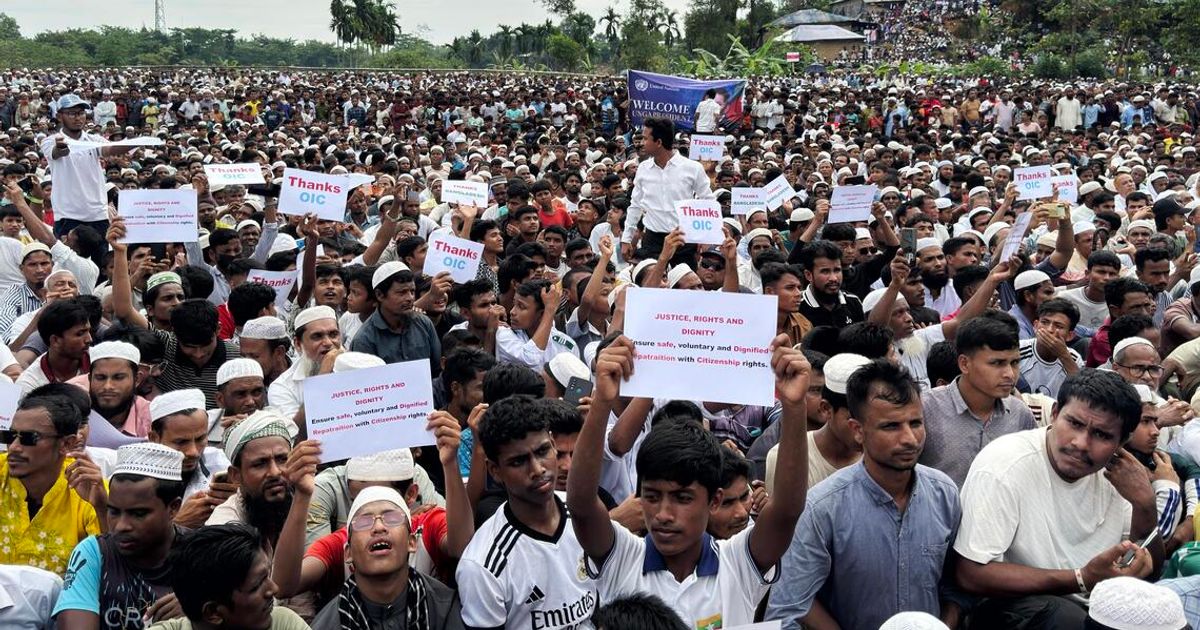
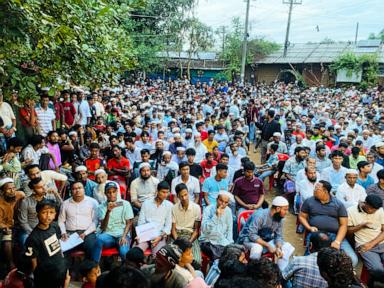
COX’S BAZAR, Bangladesh -- Hundreds of Rohingya refugees in Bangladesh sat in front of a big screen at their sprawling camp in Cox’s Bazar, watching the news from the Netherlands, where the U.N.'s top court ruled that Myanmar committed genocide against the Rohingya minority in a brutal 2017 military operation.
For many, the historic verdict on Thursday represented a “small victory” — offering a glimmer of hope that someday they would be able to return safely to their homes in Myanmar, across the border from Bangladesh.
Only then, some said, will they be “fully satisfied.”
It was a landmark judgement, finding Myanmar responsible for the crime against the country’s ethnic Rohingya — the first time the court ruled that a state committed genocide.
The Hague-based International Court of Justice also ordered Myanmar’s military-supported government to allow the Rohingya to return home safely, pay reparations to the Rohingya Muslims and prosecute those suspected of having committed genocide.
But it remains to be seen how much of the ruling can be implemented. The court’s rulings are final and legally binding, but it has no way to enforce them beyond reporting noncompliance to the U.N. Security Council.