📰 Newspapers

New technology targets heat-related limits on Saudi power lines

New technology targets heat-related limits on Saudi power lines

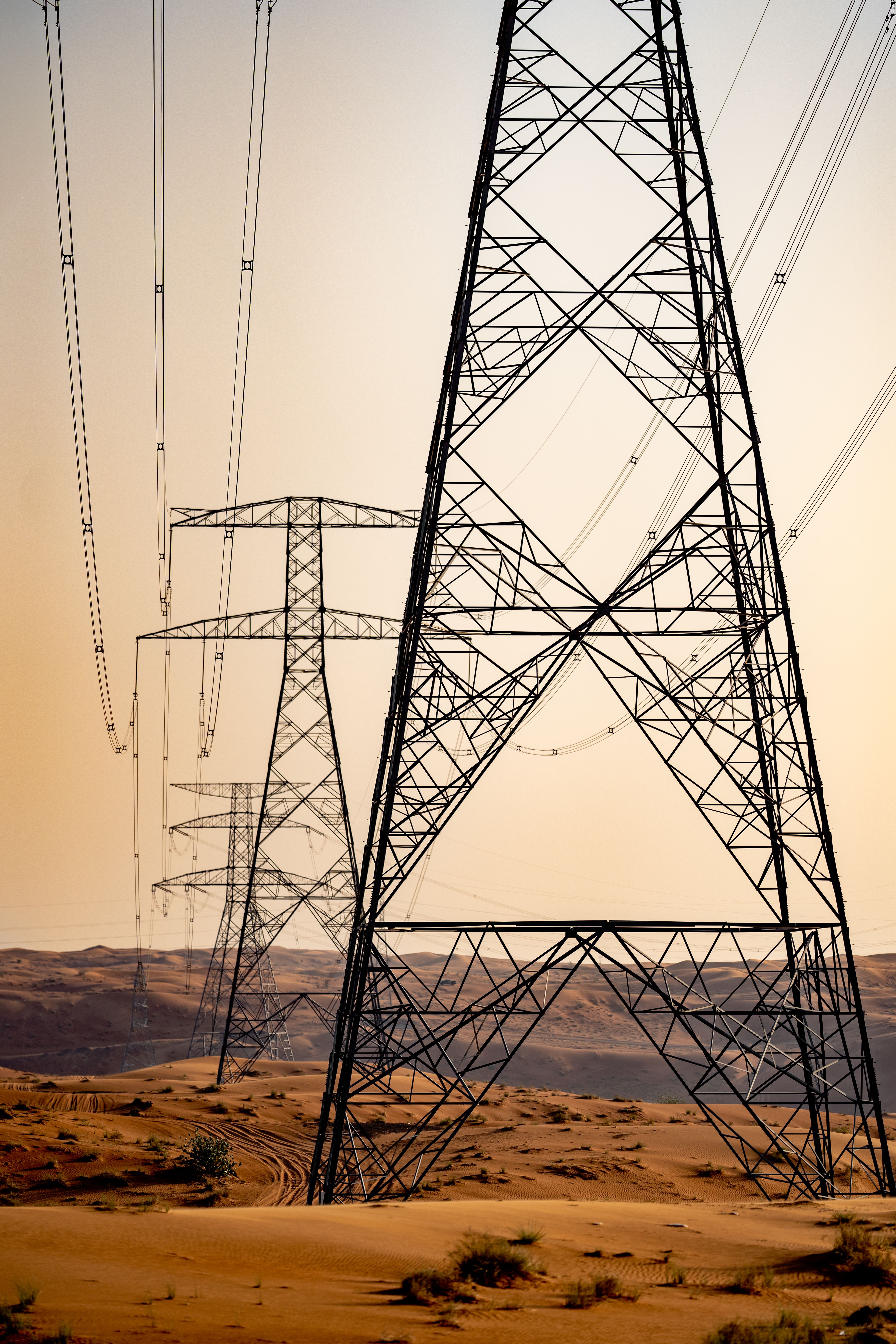
RIYADH: Extreme temperatures can place considerable strain on electricity transmission networks, particularly overhead power lines that must carry rising loads while operating within strict thermal limits.

In Saudi Arabia, where summer heat can be intense, keeping these conductors cool is an important challenge for maintaining reliable electricity transmission.

Researchers at King Abdullah University of Science and Technology are developing a specialized coating designed to address this problem. By reflecting sunlight, releasing heat through infrared radiation and allowing internally generated heat to escape, the technology aims to keep overhead conductors cooler and enable them to carry more electricity.

Beyond improving thermal performance, the coating could also increase the capacity of existing infrastructure, potentially deferring some construction, reducing material use and easing transmission bottlenecks, according to Qiaoqiang Gan, professor of materials science and applied physics at KAUST.

Speaking to Arab News, Kai Xu, a postdoctoral fellow at KAUST, explained the sources of heat affecting overhead power lines.

“Overhead power lines are heated both by direct sunlight and by the electrical current flowing through them.”

He added: “During extreme heat, their ability to release heat to the surrounding environment becomes limited, causing conductor temperatures to rise.”

Excessive heat can compromise the ability of conductors to carry electricity safely, while also increasing sagging and accelerating long-term material degradation.

In brief

RIYADH: Extreme temperatures can place considerable strain on electricity transmission networks, particularly overhead power lines that must carry rising loads while operating within strict thermal limits. By reflecting sunlight, releasing heat through infrared radiation and allowing internally generated heat to escape, the technology aims to keep overhead conductors cooler and enable them to carry more electricity.

This is the opening of the story, shared with credit to Arab News. The rest of the report — with every detail — continues on the publisher’s website.

Continue reading at Arab News ↗

Cookie settings

Choose which cookies we may use. You can change this at any time from Cookie settings in the footer. Details of each cookie are in the Cookie Policy.

Strictly necessary

Needed for sign-in, security, payments and remembering these choices. Always on.

Preferences

Remember settings such as dark mode.

Analytics & performance

Help us count visits, understand which pages, devices and countries our readers use, and measure how well the site performs – anonymous and aggregated.

Advertising & marketing

Lets advertising partners show and personalise adverts, measure impressions, clicks and visits, prevent ad fraud and pay us – this is how the free site is funded.

🔔 News notifications

Get headlines from NewsHub on this device — even when the site is closed.

You can switch this off at any time. Works on Android, Windows, Mac and Linux browsers; on iPhone/iPad add the site to your Home Screen first.