Building a custom PC is a wonderfully satisfying feeling. Even if you've never built one for yourself, it's ingrained itself into the world of content creation and social media so fiercely that everyone has most likely at least watched someone partially build a PC at some point.
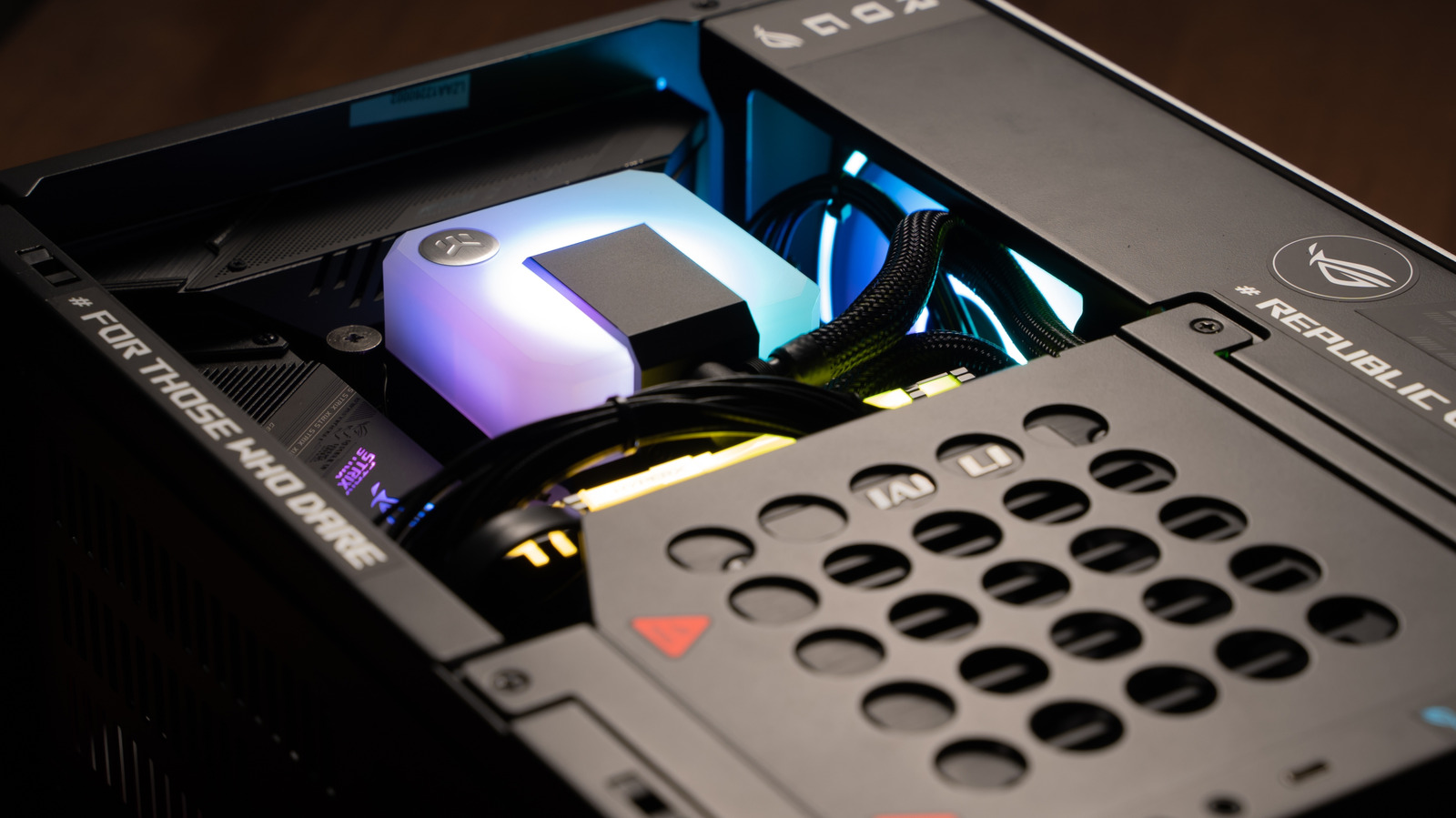
As you may have noticed, there are so many different form factors for cases and unique enclosures. One of the more interesting ones that has been carving out its own funky niche in the market is the mini PC build. Because of the unique form factors and limited space these cases allow, they come with challenges that make a build of this type a bit more difficult than normal.
Unlike larger mid- and full-range towers, the mini PC builds tend to focus on a straight-ahead approach with very little wiggle room for frills. Things that we take for granted in larger builds, like room for maximum airflow or a larger GPU, become pertinent struggles in the mini PC world.
One of the core things to understand upfront about mini PC builds is the case itself. What we know as mini PCs tend to be built within Mini-ITX or microATX cases. For as small as they are, you might think they'd cost significantly less than their larger siblings.