📰 Newspapers

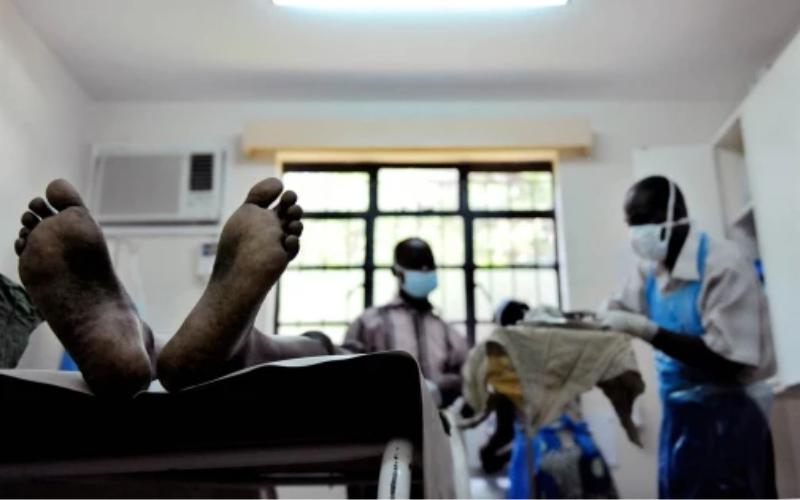
Beyond the cut: Who is teaching Kenyan boys to become men?

Beyond the cut: Who is teaching Kenyan boys to become men?

Boys need conversations that help them question what they see, understand emotions, respect others and act responsibly.

December brings upcountry travel, family reunions, school holidays and festivities. But in some Kenyan communities, the season carries deeper significance: boys undergo traditional rites of passage marking their transition into another chapter of life.

Initiation remains an important cultural milestone, bringing families together to prepare boys for new responsibilities. Beyond the ceremonies lies a question every parent should ask: Who is teaching our boys what it means to become men?

Last year, in Eoret Narasha, Duka Moja, Narok, 16-year-old Martin Napayian Ntutu stood on the threshold of a significant transition. A Form Three student, he was preparing to move from childhood into a new phase of life.

More than 500 people, including boys, girls, morans, women and elders, gathered.

It was more than a celebration. It was a community reaffirming its responsibility towards the next generation. Unlike previous generations, Napayian underwent a medically supervised procedure, but the cultural significance remained intact.

He spent the following weeks recovering and learning from elders and morans who had travelled the same path.

As I watched, an elderly man, Lemarti Ole Legishon, leaned towards me and offered an observation that captured the essence of the occasion.

"The cut does not make him a man, the teaching does."

His words raised a question for modern parents: What happens when the ceremony remains, but the teaching…

In brief

December brings upcountry travel, family reunions, school holidays and festivities. Initiation remains an important cultural milestone, bringing families together to prepare boys for new responsibilities. Beyond the ceremonies lies a question every parent should ask: Who is teaching our boys what it means to become men? More than 500 people, including boys, girls, morans, women and elders, gathered.

This is the opening of the story, shared with credit to The Standard — Entertainment. The rest of the report — with every detail — continues on the publisher’s website.

Continue reading at The Standard — Entertainment ↗

Cookie settings

Choose which cookies we may use. You can change this at any time from Cookie settings in the footer. Details of each cookie are in the Cookie Policy.

Strictly necessary

Needed for sign-in, security, payments and remembering these choices. Always on.

Preferences

Remember settings such as dark mode.

Analytics & performance

Help us count visits, understand which pages, devices and countries our readers use, and measure how well the site performs – anonymous and aggregated.

Advertising & marketing

Lets advertising partners show and personalise adverts, measure impressions, clicks and visits, prevent ad fraud and pay us – this is how the free site is funded.

🔔 News notifications

Get headlines from NewsHub on this device — even when the site is closed.

You can switch this off at any time. Works on Android, Windows, Mac and Linux browsers; on iPhone/iPad add the site to your Home Screen first.