Some apps really do need to know where you are, but plenty of others don't.
When you download an app on a smartphone, you're usually prompted to agree to a list of permissions it needs to function. You may be asked to share your device's location when the app is open or grant unrestricted access in the background. Even website pop-ups halt your scrolling to ask for your location.
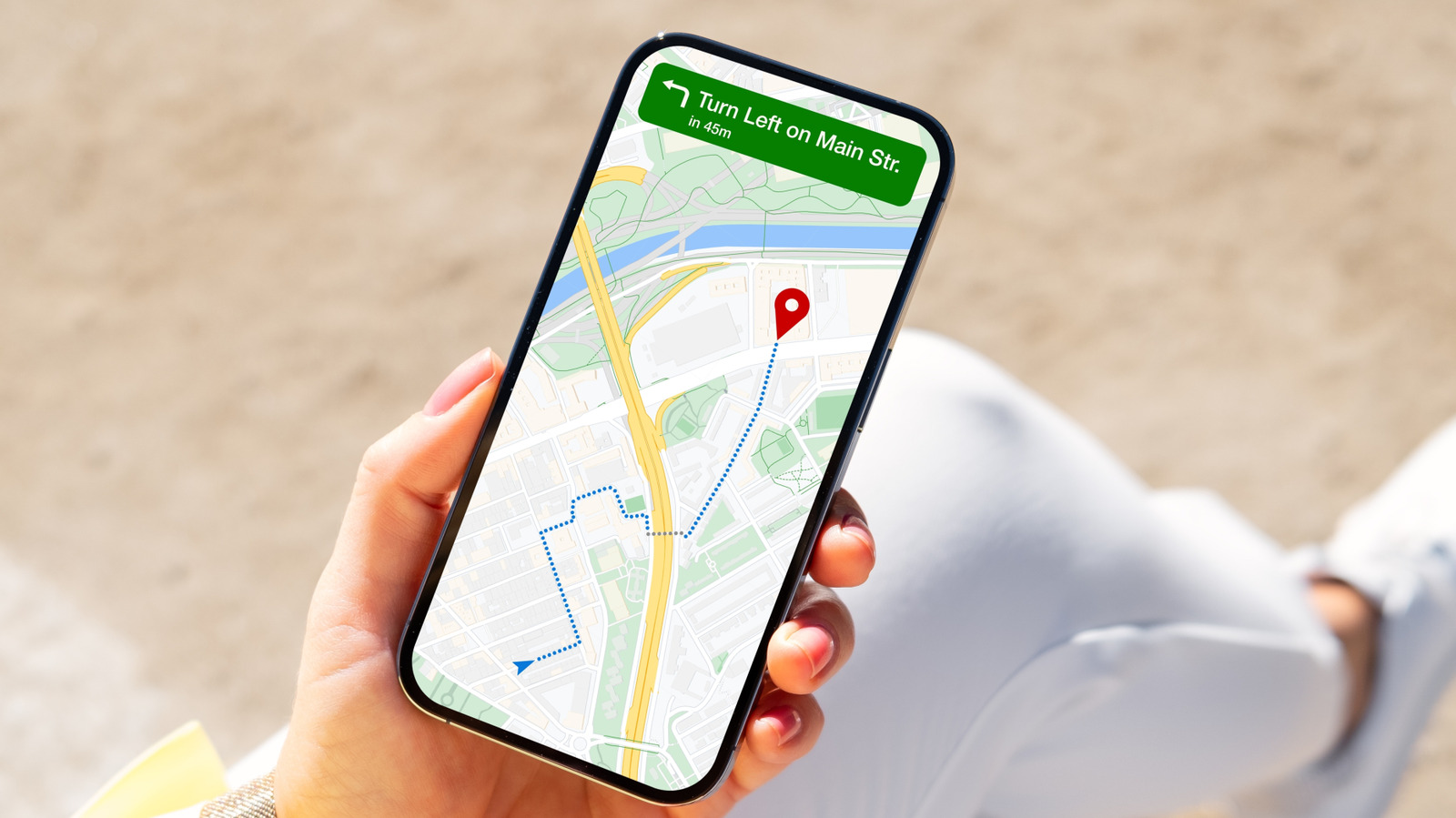
It can be difficult to pick between staying in the dark and trading your location for services like maps, food deliveries and device tracking. Outside of those use cases, you may want to share your location from your iPhone with a friend or family member.
Today's devices have more safety features than they used to. Google, for instance, reviews Android apps that ask for background location access. But location data can be resold to third parties, so sharing it with apps and services you don't trust is risky. Here's how to weigh the pros and cons.
Staying connected makes your devices easier to find. While Find My is an easy smartphone anti-theft pick, sharing your location data with Apple AirTags and Tile trackers that work via Bluetooth lets you see your belongings in real time on a map.