

ANTALYA, Turkey – As the COP31 climate conference drifted into what proved to be record overtime, a negotiator from a small island state complained that a promised meeting with the talks’ Turkish and Australian presidents had been canceled yet again.
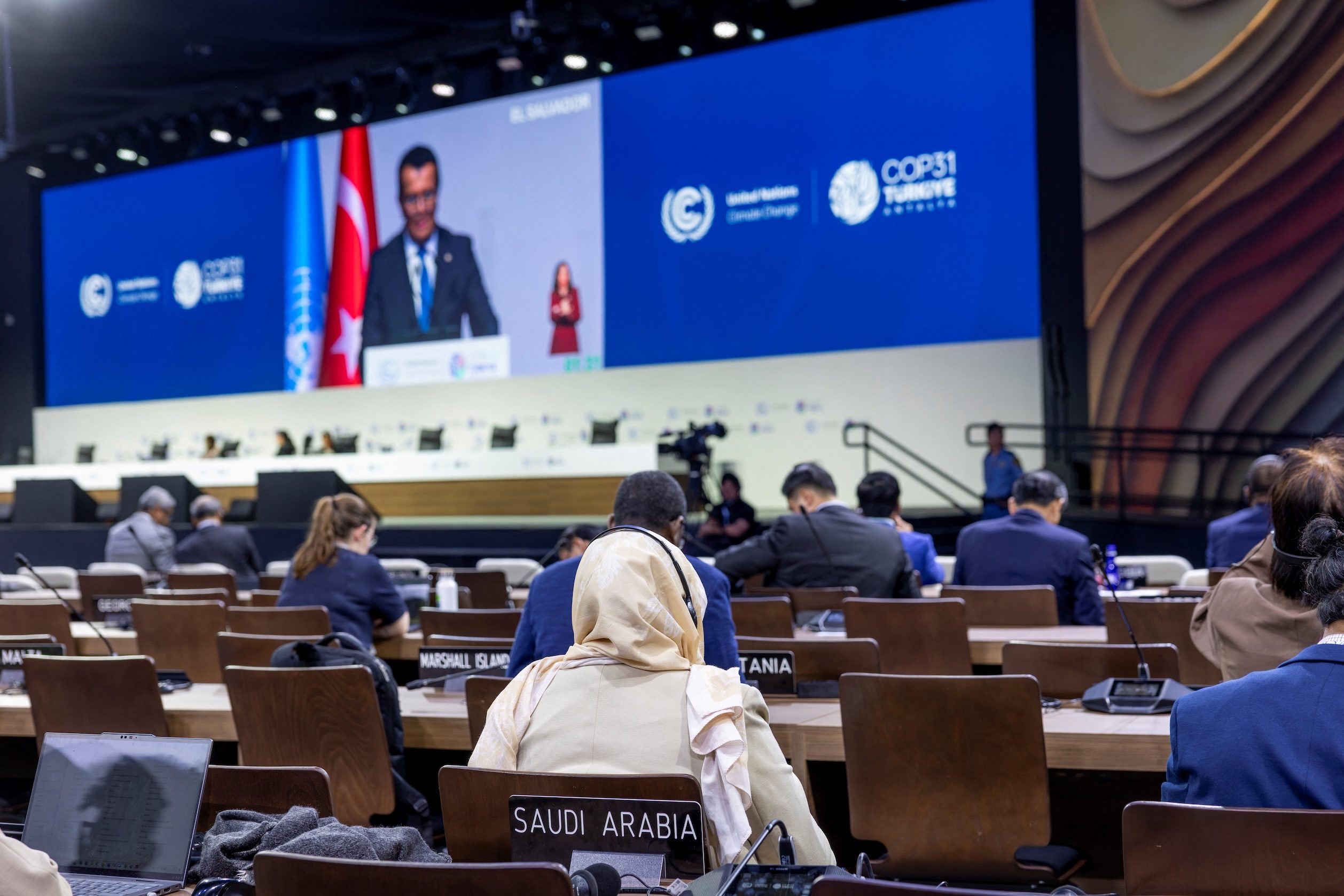
Saudi officials, meanwhile, had regular access, allowing them disproportionate influence at the Antalya conference, according to negotiators from Europe, small island states, Latin America, Asia and Africa.
Riyadh was at the forefront of resisting language on reducing reliance on fossil fuels, the negotiators said, adding that was chiefly why a political agreement could not be reached for the first time since 2009.
The European Union, several small island states, and other nations particularly vulnerable to climate change said they could not accept a text that failed to mention the oil, gas, and coal that scientists say drive global warming.
“This COP, I believe, was hijacked by some oil states,” Ireland’s climate minister Darragh O’Brien told Reuters on behalf of the European Union when asked about Saudi Arabia’s role in the negotiations.
The Turkish COP presidency said in a statement no group or country was given “preferential treatment.” Representatives for Saudi Arabia and Australia did not immediately comment for this story.
Saudi Arabia and fellow members of the Organization of the Petroleum Exporting Countries have long opposed climate language targeting fossil…