

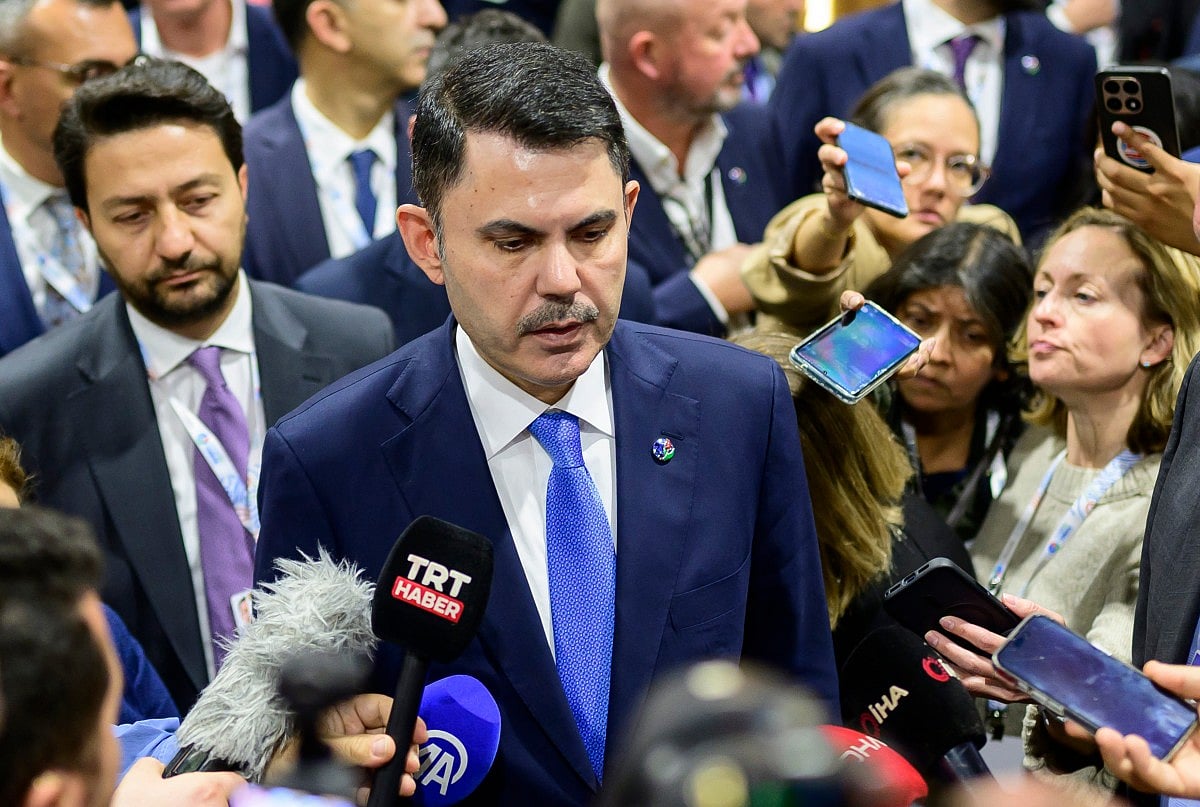
The United Nations COP31 climate summit in Antalya, Turkey, ended without an overarching agreement after nearly 200 countries failed to resolve disagreements over fossil fuels and financial support for vulnerable nations.
The negotiations, which ran more than 50 hours beyond their scheduled finish on Friday, broke down on Sunday, making COP31 the longest-running UN climate summit on record.
Get updated faster and for FREE: Download the Gulf News app now - simply click here.
The main disagreement centred on whether the final agreement should explicitly call for a transition away from coal, oil and natural gas – the main drivers of human-caused global warming.
The European Union, the UK and several climate-vulnerable countries rejected the final draft because it did not mention fossil fuels. Oil-producing nations, including Saudi Arabia, opposed including such language.
The failure comes as heatwaves, floods, storms and droughts intensify in different parts of the world, increasing pressure on governments to turn climate pledges into concrete action.
Here is why the breakdown matters, what countries failed to agree on and what happens next.
Why did COP31 fail to reach a deal?
The biggest sticking point was the omission of fossil fuels from the proposed final agreement, known as the cover decision.
The document was intended to set the political direction for countries' climate action.