📰 Newspapers

Lebanon turns to citizens to preserve heritage threatened by war

Lebanon turns to citizens to preserve heritage threatened by war

BEIRUT: Lebanon is turning to its citizens at home and abroad to help preserve a cultural inheritance increasingly threatened by war, inviting them to submit digital copies of photographs, letters, films and recordings before the memories they contain disappear.

The Israeli military escalation in southern Lebanon, which began in 2023, has threatened not only people and infrastructure but also the country’s cultural and historical heritage.

Appeals to spare archaeological and religious sites have failed to protect them from attack, prompting growing concern among Lebanese heritage specialists that centuries of collective memory are being erased.

“In the past, we did not worry about the archaeological treasures buried beneath layers of history because we believed they were protected and could be excavated whenever necessary,” Tania Zaven, an archaeologist at Lebanon’s Ministry of Culture, told Arab News.

“We can read history through a piece of pottery discovered thousands of years later. But our fear has grown after witnessing the weapons Israel is using in the systematic destruction of southern villages, their markets, traditional homes, schools, universities and libraries. These weapons pulverize stone until it becomes dust and can destroy what lies deep underground.”

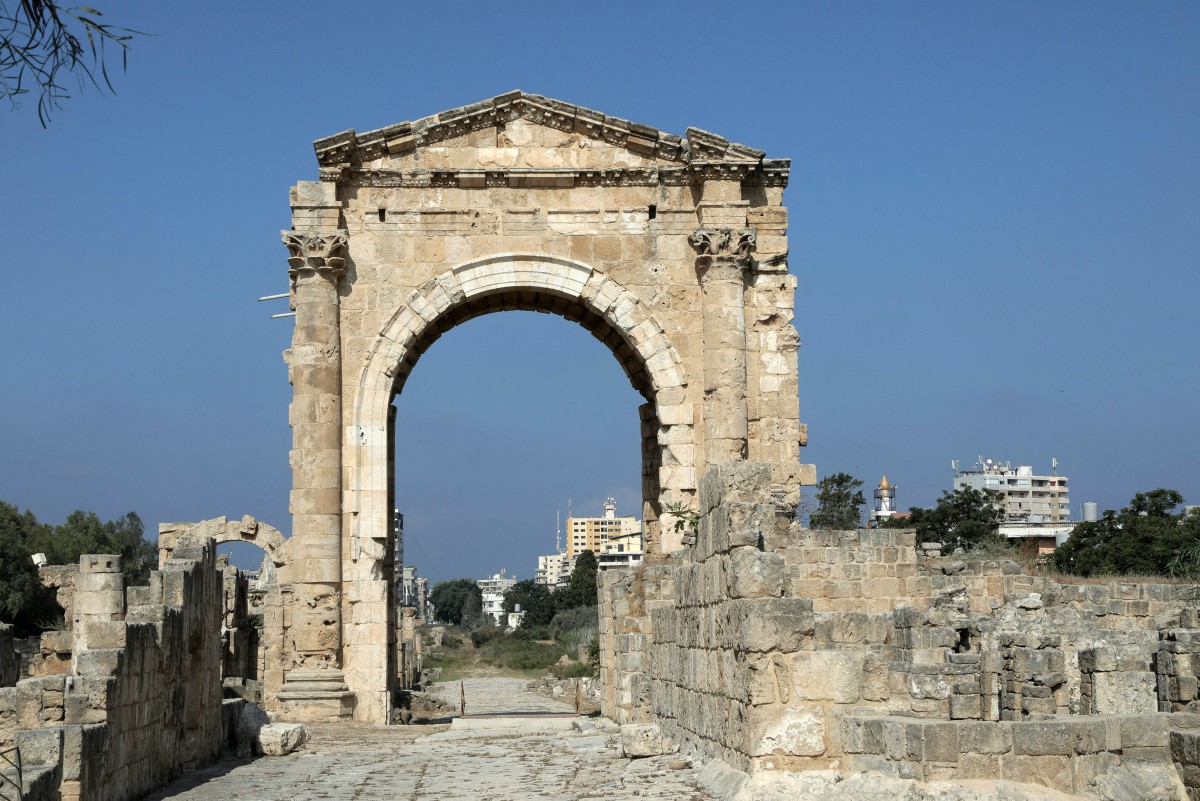
Overlooking the Mediterranean, Lebanon contains archaeological remains spanning thousands of years and reflecting Phoenician, Roman, Byzantine, Crusader and Ottoman civilizations. UNESCO has granted “enhanced protection”

In brief

BEIRUT: Lebanon is turning to its citizens at home and abroad to help preserve a cultural inheritance increasingly threatened by war, inviting them to submit digital copies of photographs, letters, films and recordings before the memories they contain disappear. Overlooking the Mediterranean, Lebanon contains archaeological remains spanning thousands of years and reflecting Phoenician, Roman, Byzantine, Crusader and Ottoman civilizations.

This is the opening of the story, shared with credit to Arab News. The rest of the report — with every detail — continues on the publisher’s website.

Continue reading at Arab News ↗

Cookie settings

Choose which cookies we may use. You can change this at any time from Cookie settings in the footer. Details of each cookie are in the Cookie Policy.

Strictly necessary

Needed for sign-in, security, payments and remembering these choices. Always on.

Preferences

Remember settings such as dark mode.

Analytics & performance

Help us count visits, understand which pages, devices and countries our readers use, and measure how well the site performs – anonymous and aggregated.

Advertising & marketing

Lets advertising partners show and personalise adverts, measure impressions, clicks and visits, prevent ad fraud and pay us – this is how the free site is funded.

🔔 News notifications

Get headlines from NewsHub on this device — even when the site is closed.

You can switch this off at any time. Works on Android, Windows, Mac and Linux browsers; on iPhone/iPad add the site to your Home Screen first.