📰 Newspapers

Early warning signs could help predict stroke and heart attack risk up to 30 years in advance

Early warning signs could help predict stroke and heart attack risk up to 30 years in advance

Someone has a heart attack every 40 seconds in the U.S.

Want to bookmark your favourite articles and stories to read or reference later? Start your Independent Membership today.

Early warning signs could help doctors predict heart attacks and strokes up to 30 years before they happen, a new study of 100,000 patients has found.

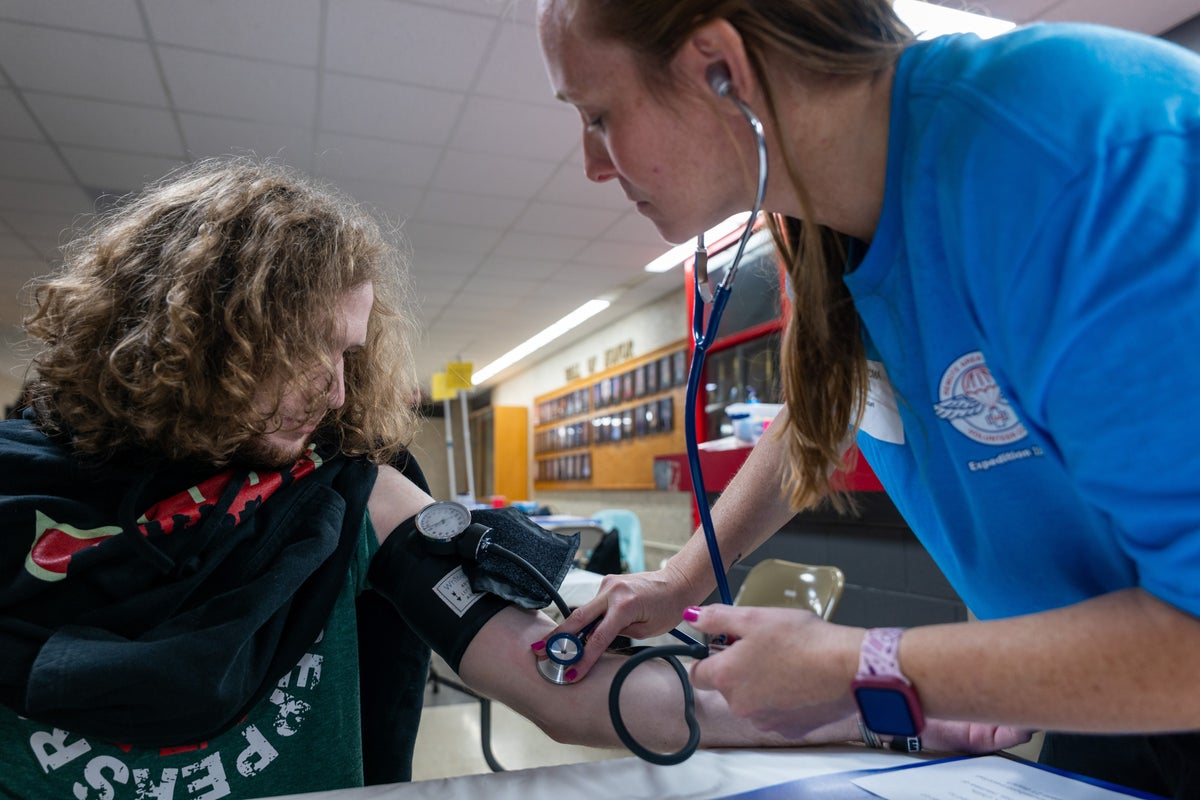
High blood pressure, changes in levels of a protein called NT-proBNP, diabetes, a higher body mass index and peoples’ age and gender all signal risk, according to medical researchers at the University of Edinburgh.

The findings indicate there are many windows of opportunity to reduce risk, the researchers suggest.

“For the vast majority of people, heart attacks and strokes are completely preventable. But many of us don’t realize we are at risk until it’s too late,” Professor Bryan Williams, chief scientific and medical officer at the British Heart Foundation, explained in a release.

“Knowledge like this could empower people to make lifestyle changes or start treatment while they are still relatively young, which might reduce their risk, prevent a heart attack or stroke and rewrite their future.”

The research included data collected over the course of 34 years, between 1985-2019, on patients in the U.S., U.K. and Norway.

Analyzing the data showed blood pressure in the arteries was consistently higher in people who developed cardiovascular disease, a common cause of heart attacks and strokes.

In brief

Want to bookmark your favourite articles and stories to read or reference later? Early warning signs could help doctors predict heart attacks and strokes up to 30 years before they happen, a new study of 100,000 patients has found. “For the vast majority of people, heart attacks and strokes are completely preventable. Analyzing the data showed blood pressure in the arteries was consistently higher in people who developed cardiovascular disease, a common cause of heart attacks and strokes.

This is the opening of the story, shared with credit to The Independent — World. The rest of the report — with every detail — continues on the publisher’s website.

Continue reading at The Independent — World ↗

Cookie settings

Choose which cookies we may use. You can change this at any time from Cookie settings in the footer. Details of each cookie are in the Cookie Policy.

Strictly necessary

Needed for sign-in, security, payments and remembering these choices. Always on.

Preferences

Remember settings such as dark mode.

Analytics & performance

Help us count visits, understand which pages, devices and countries our readers use, and measure how well the site performs – anonymous and aggregated.

Advertising & marketing

Lets advertising partners show and personalise adverts, measure impressions, clicks and visits, prevent ad fraud and pay us – this is how the free site is funded.

🔔 News notifications

Get headlines from NewsHub on this device — even when the site is closed.

You can switch this off at any time. Works on Android, Windows, Mac and Linux browsers; on iPhone/iPad add the site to your Home Screen first.