📰 Newspapers

China or Europe? How Africa can refine its future foreign policy

China or Europe? How Africa can refine its future foreign policy

China's Belt and Road Initiative and the EU's Global Gateway are emerging as important instruments of economic diplomacy, with far-reaching implications for Africa's future foreign policy.

Africa is once again at the centre of global competition. This time, however, the contest is not primarily about political ideology or military alliances. It is about infrastructure, technology, energy, trade routes and access to strategic minerals. China's Belt and Road Initiative (BRI) and the European Union's Global Gateway are emerging as important instruments of economic diplomacy, with far-reaching implications for Africa's future foreign policy.

The central question is whether African countries will continue to approach these initiatives as individual recipients of foreign investment or use them collectively to negotiate better development partnerships.

Africa faces an enormous infrastructure financing challenge. According to the African Development Bank, the continent requires between $130 billion and $170 billion annually for infrastructure development, with a financing gap estimated at $68 billion to $108 billion. This challenge provides the background against which China and Europe are competing for economic and diplomatic influence.

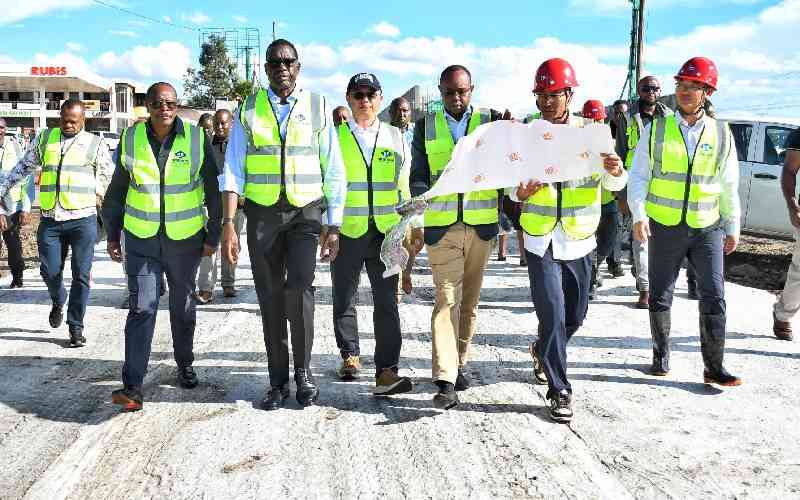
China's BRI has demonstrated its capacity to finance and construct large-scale infrastructure projects. Kenya's Standard Gauge Railway illustrates how Chinese financing has contributed to modern transport connectivity. Across Africa, Chinese participation in roads, railways, ports and energy projects has strengthened physical infrastructure and opened new economic opportunities.

Nevertheless, these achievements have raised legitimate concerns about debt sustainability, transparency, procurement practices and the long-term financial obligations of borrowing countries.

In brief

Africa is once again at the centre of global competition. Africa faces an enormous infrastructure financing challenge. According to the African Development Bank, the continent requires between $130 billion and $170 billion annually for infrastructure development, with a financing gap estimated at $68 billion to $108 billion. Across Africa, Chinese participation in roads, railways, ports and energy projects has strengthened physical infrastructure and opened new economic opportunities.

This is the opening of the story, shared with credit to The Standard — Opinion. The rest of the report — with every detail — continues on the publisher’s website.

Continue reading at The Standard — Opinion ↗

Cookie settings

Choose which cookies we may use. You can change this at any time from Cookie settings in the footer. Details of each cookie are in the Cookie Policy.

Strictly necessary

Needed for sign-in, security, payments and remembering these choices. Always on.

Preferences

Remember settings such as dark mode.

Analytics & performance

Help us count visits, understand which pages, devices and countries our readers use, and measure how well the site performs – anonymous and aggregated.

Advertising & marketing

Lets advertising partners show and personalise adverts, measure impressions, clicks and visits, prevent ad fraud and pay us – this is how the free site is funded.

🔔 News notifications

Get headlines from NewsHub on this device — even when the site is closed.

You can switch this off at any time. Works on Android, Windows, Mac and Linux browsers; on iPhone/iPad add the site to your Home Screen first.