📰 Newspapers

China extends pause on US minerals ban to maintain truce

China extends pause on US minerals ban to maintain truce

Beijing preserved a key element of a fragile trade truce despite growing tensions over technology.

BEIJING – China extended the suspension of a ban on exports of several critical minerals to the US, preserving a key element of a fragile trade truce despite growing tensions over technology.

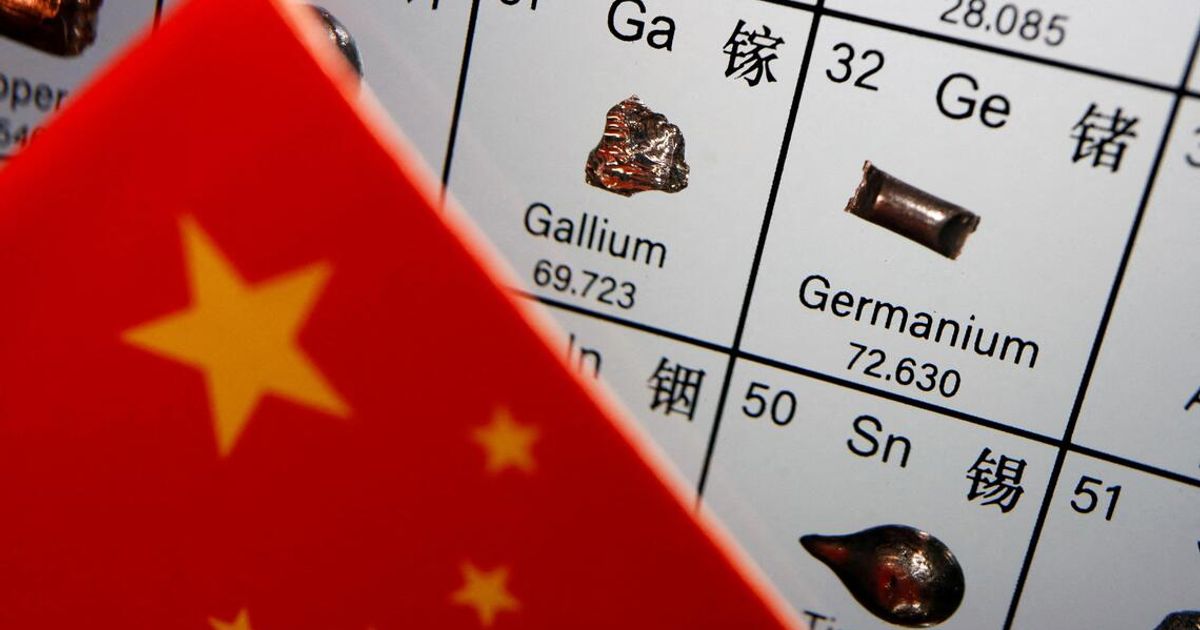
China’s Commerce Ministry on Nov 24 kept the ban on US-bound shipments of gallium, germanium and antimony on hold through Jan 27, prolonging a suspension that was due to expire on Nov 27.

The materials are used in products ranging from semiconductors to satellites and military equipment.

The extension follows last week’s summit between US President Donald Trump and his Chinese counterpart Xi Jinping in Shenzhen and comes hours after the US president helped secure the reinstatement of Jensen Huang, a vocal opponent to stringent chip export controls, as the chief of Nvidia Corp on Nov 23.

But Washington has also tightened restrictions on China’s access to advanced artificial intelligence chips through overseas data centres.

If fully enforced, the measures could hamper Beijing’s efforts to catch up with the US in AI.

The US Commerce Department announced the new rules just days before the summit.

China’s Commerce Ministry said the restrictions violated understandings reached by the two leaders and warned of countermeasures if Washington presses ahead.

China first imposed the US-specific critical minerals ban in December 2024 in retaliation against the Biden administration’s widening chip curbs.


In brief

BEIJING – China extended the suspension of a ban on exports of several critical minerals to the US, preserving a key element of a fragile trade truce despite growing tensions over technology. But Washington has also tightened restrictions on China’s access to advanced artificial intelligence chips through overseas data centres. China first imposed the US-specific critical minerals ban in December 2024 in retaliation against the Biden administration’s widening chip curbs.

This is the opening of the story, shared with credit to The Straits Times — Asia. The rest of the report — with every detail — continues on the publisher’s website.

Continue reading at The Straits Times — Asia ↗

Cookie settings

Choose which cookies we may use. You can change this at any time from Cookie settings in the footer. Details of each cookie are in the Cookie Policy.

Strictly necessary

Needed for sign-in, security, payments and remembering these choices. Always on.

Preferences

Remember settings such as dark mode.

Analytics & performance

Help us count visits, understand which pages, devices and countries our readers use, and measure how well the site performs – anonymous and aggregated.

Advertising & marketing

Lets advertising partners show and personalise adverts, measure impressions, clicks and visits, prevent ad fraud and pay us – this is how the free site is funded.

🔔 News notifications

Get headlines from NewsHub on this device — even when the site is closed.

You can switch this off at any time. Works on Android, Windows, Mac and Linux browsers; on iPhone/iPad add the site to your Home Screen first.