NAIROBI, Kenya, Nov 24 – Kenya’s push to teach coding and green skills in secondary school puts its young people ahead of much of Africa as the continent prepares the largest generation of workers the world has seen, a new report says.
The Mastercard Foundation report, Secondary Education in Africa: Expanding Pathways to Work, Livelihoods, and Lifelong Learning, was launched in Accra, Ghana, on Tuesday at a gathering attended by the ministers of education of Ghana, Liberia, Rwanda and Sierra Leone.
By 2035, more than 330 million young people in Sub-Saharan Africa will reach working age, more than in the rest of the world combined. Only 9 per cent go on to university or college, making secondary school the last stage of formal education for most.
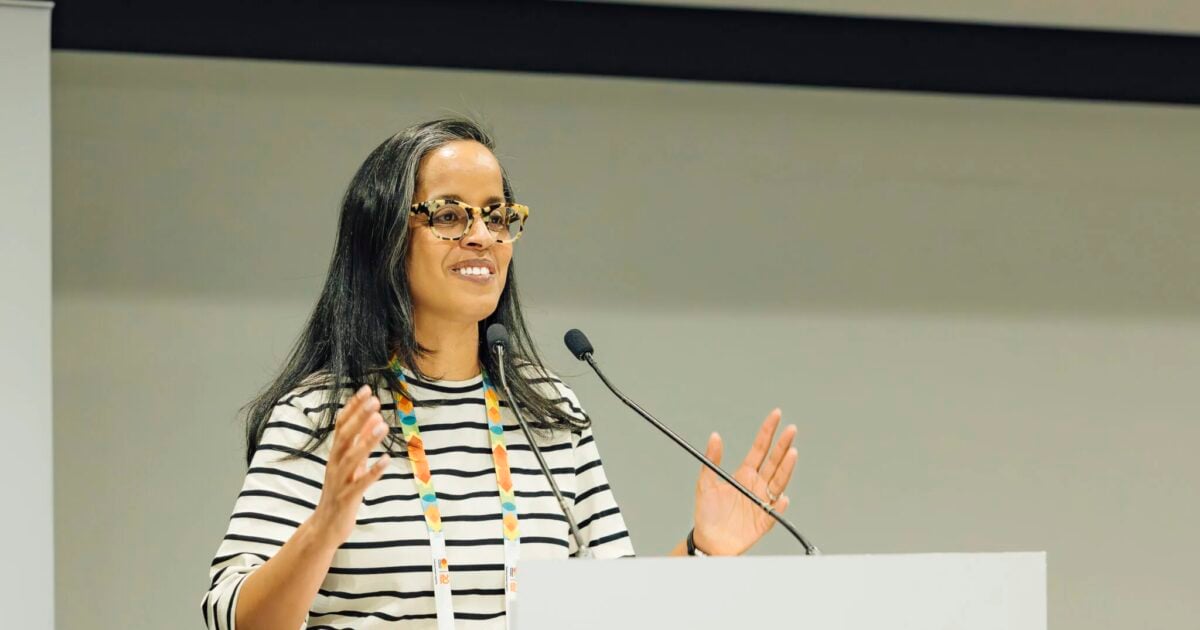
Mastercard Foundation President and CEO Sewit Ahderom said secondary school is “where we can make the biggest difference to whether they find dignified and fulfilling work.”
Kenya’s digital and green edge
The report highlights Kenya, with Rwanda, for teaching computer programming in secondary school, and names it with Nigeria and Zambia as offering some coverage of artificial intelligence topics, at a time when a scan of 49 Sub-Saharan countries found only two that explicitly build AI into their curricula.
Kenyan youth are already earning online. A study cited in the report, covering Kenya, Nigeria…