📰 Newspapers

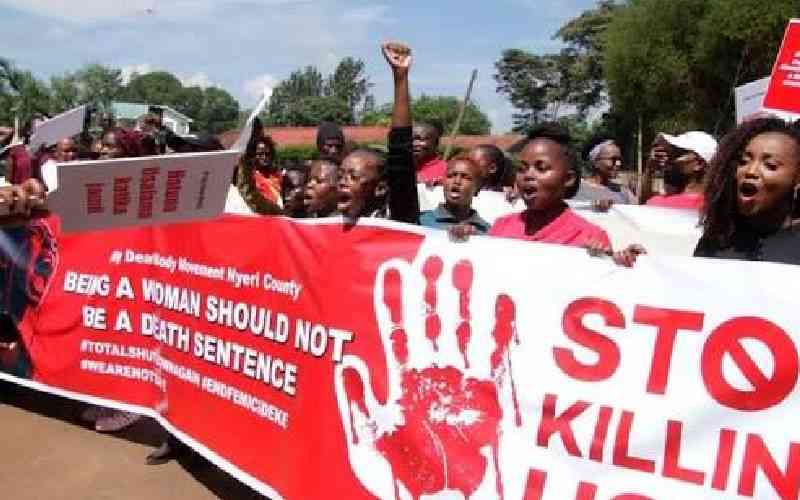
Building a Kenya where women and girls live free from violence

Building a Kenya where women and girls live free from violence

Preventing violence requires campaigns that reshape how women and men understand equality and respectful relationships.

Children learn their first lessons about respectful relationships and gender equality long before they enter a classroom. They learn by watching how adults treat one another, listening to peers and the media, and noticing whether humiliation or intimidation within families and communities is challenged or ignored. Each time we confront abuse—or remain silent—we teach the next generation what society considers acceptable.

Preventing violence therefore requires sustained education in schools and families; engagement with communities, religious leaders, and the media; and campaigns that reshape how women and men understand equality and respectful relationships. It must also directly engage people who perpetrate violence—or are at risk of doing so—by combining accountability with structured interventions that can change abusive behaviour. As Nigerian writer Chimamanda Ngozi Adichie reminds us, “We must raise our daughters differently. We must also raise our sons differently.”

Prevention alone is not enough. This year’s global 16 Days of Activism campaign theme, “UNiTE to End Violence Against Women and Girls: Ensure Justice, Protect Survivors, End Impunity,” highlights the chain of barriers survivors face when they seek—or consider seeking—justice. It is both a call to action and a test of our collective resolve.

Across Kenya, many survivors continue to face major barriers to support: high service costs, long distances, stigma, intimidation, and delays.


In brief

Children learn their first lessons about respectful relationships and gender equality long before they enter a classroom. This year’s global 16 Days of Activism campaign theme, “UNiTE to End Violence Against Women and Girls: Ensure Justice, Protect Survivors, End Impunity,” highlights the chain of barriers survivors face when they seek—or consider seeking—justice. Across Kenya, many survivors continue to face major barriers to support: high service costs, long distances, stigma, intimidation, and delays.

This is the opening of the story, shared with credit to The Standard — Opinion. The rest of the report — with every detail — continues on the publisher’s website.

Continue reading at The Standard — Opinion ↗

Cookie settings

Choose which cookies we may use. You can change this at any time from Cookie settings in the footer. Details of each cookie are in the Cookie Policy.

Strictly necessary

Needed for sign-in, security, payments and remembering these choices. Always on.

Preferences

Remember settings such as dark mode.

Analytics & performance

Help us count visits, understand which pages, devices and countries our readers use, and measure how well the site performs – anonymous and aggregated.

Advertising & marketing

Lets advertising partners show and personalise adverts, measure impressions, clicks and visits, prevent ad fraud and pay us – this is how the free site is funded.

🔔 News notifications

Get headlines from NewsHub on this device — even when the site is closed.

You can switch this off at any time. Works on Android, Windows, Mac and Linux browsers; on iPhone/iPad add the site to your Home Screen first.