When does it become financially viable to ship a whole building's worth of bricks by postal service, as opposed to trucking them in? In 1916 a Utah banker discovered an unconventional solution to an expensive construction problem by using the US mail system as an unlikely delivery service for almost 37 tons of building material. The extraordinary decision helped build a historic bank in a remote town but also forced postal authorities to rethink how far they could stretch parcel post. It was a quirky episode, and it became one of the more memorable examples of the possibilities and the limits of America’s early parcel post.An expensive building challenge in rural UtahAccording to the United States Postal Service, the Bank of Vernal’s directors aimed to build a modern, fire-resistant building for their community in 1916. It was to be a two-storey structure 70 feet by 97 feet with pressed brick on the outside.But there was one big financial hurdle to buying the required materials. The closest source of brick was the Salt Lake Pressed Brick Company in Salt Lake City. The cost of hauling the brick over bad roads was high.The Almanac reports the expected cost to truck in the 15,000 bricks was roughly $2,250, potentially putting the construction project in jeopardy.
Utah banker mailed 37 tons of bricks to build a bank, forcing postal rule changes
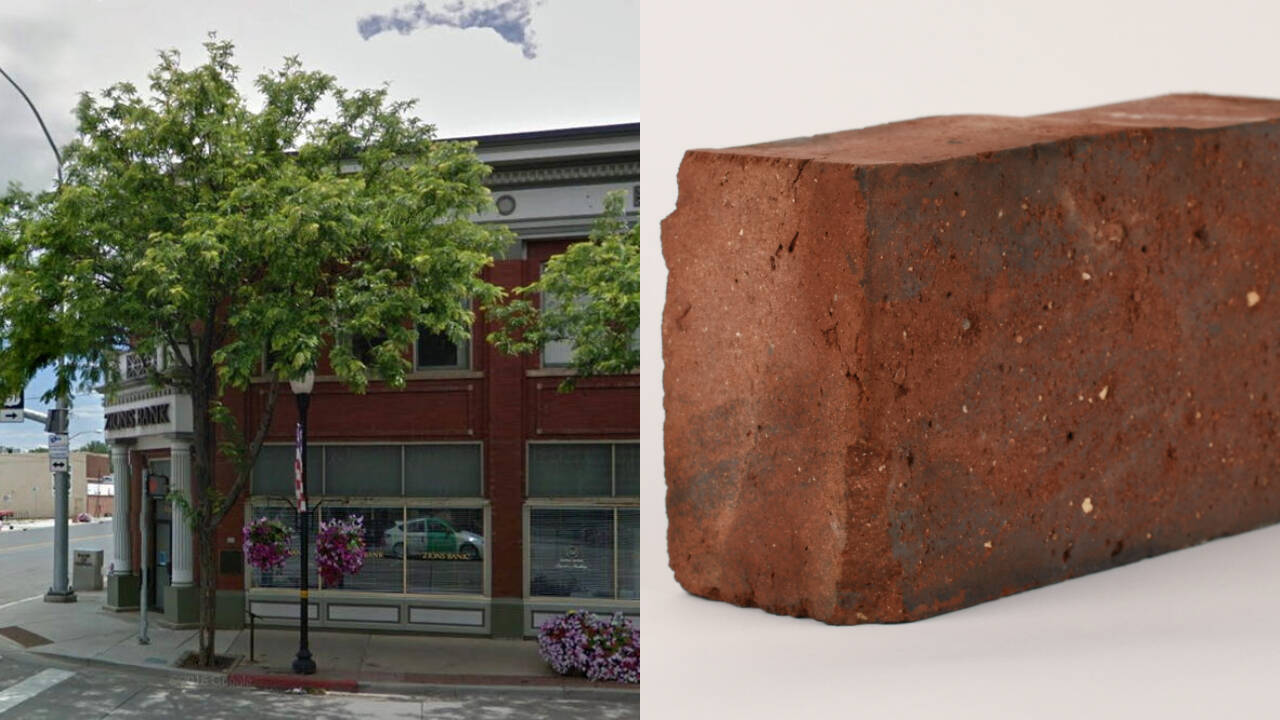
In 1916, the directors of the Bank of Vernal needed bricks for a new building project. They faced high transportation costs due to poor road conditions in rural Utah. A director discovered that shipping bricks by postal service was a cheaper option, allowing many small packages to be sent. This unique approach led to changes in postal regulations regarding large shipments.
In brief
When does it become financially viable to ship a whole building's worth of bricks by postal service, as opposed to trucking them in? The extraordinary decision helped build a historic bank in a remote town but also forced postal authorities to rethink how far they could stretch parcel post. The closest source of brick was the Salt Lake Pressed Brick Company in Salt Lake City.
This is the opening of the story, shared with credit to The Times of India — World. The rest of the report — with every detail — continues on the publisher’s website.
Continue reading at The Times of India — World ↗