📰 Newspapers

What US Employers Must Prove Before Hiring Foreign Farm Workers Under H-2A

What US Employers Must Prove Before Hiring Foreign Farm Workers Under H-2A

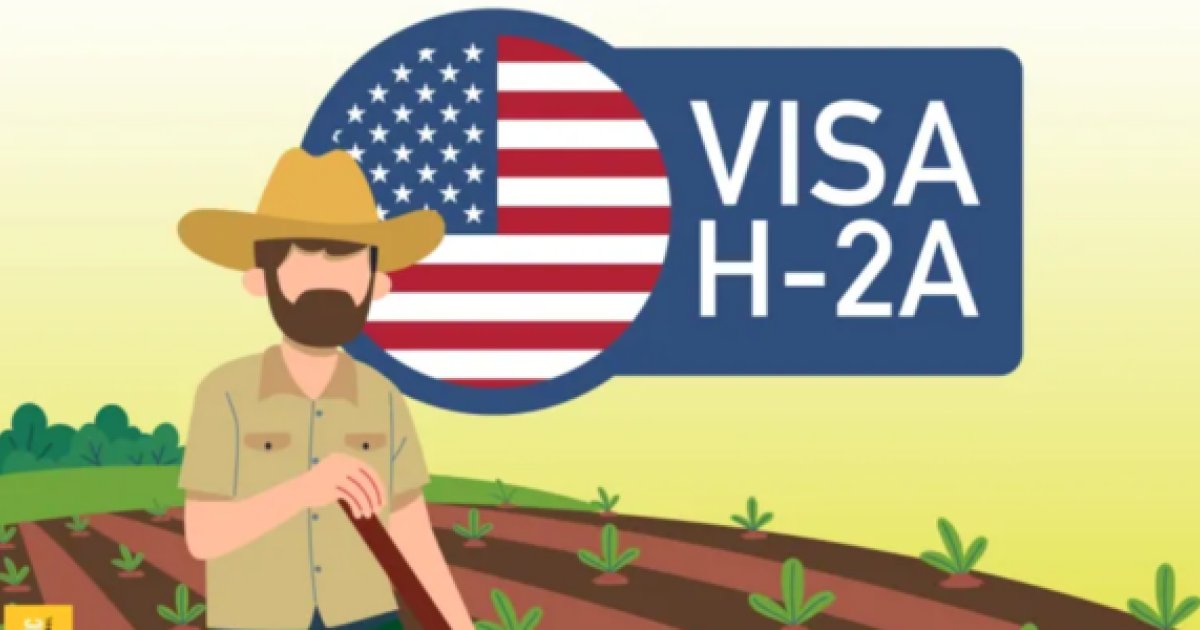
Employers in the United States must secure federal certification and prove a genuine shortage of local workers before hiring foreign nationals under the H-2A temporary agricultural worker program.

The US Department of Labor oversees the vetting and compliance process to ensure farms meet strict legal criteria before bringing in staff from abroad. While the program creates a legal path for temporary farm labor, businesses cannot use it to fill regular, year-round staffing gaps.

To qualify, an employer must prove its labor needs are either seasonal or temporary. Seasonal work applies to jobs tied to a specific time of year due to a recurring pattern or event, such as a short annual growing season.

In these cases, the farm must show that its demand goes beyond the labor needed for normal, ongoing operations.

Temporary employment covers roles needed for a limited period. Unless extraordinary circumstances exist, an employer's need for a temporary worker cannot exceed one year.

Two separate divisions within the US Department of Labor manage the program's rules and enforcement.

Before recruiting abroad, employers must apply to the Office of Foreign Labor Certification (OFLC), which operates under the Employment and Training Administration. The OFLC reviews applications and issues temporary labor certifications only after confirming the business has met all program conditions.

In brief

Employers in the United States must secure federal certification and prove a genuine shortage of local workers before hiring foreign nationals under the H-2A temporary agricultural worker program. To qualify, an employer must prove its labor needs are either seasonal or temporary. Before recruiting abroad, employers must apply to the Office of Foreign Labor Certification (OFLC), which operates under the Employment and Training Administration.

This is the opening of the story, shared with credit to Mwakilishi. The rest of the report — with every detail — continues on the publisher’s website.

Continue reading at Mwakilishi ↗

Cookie settings

Choose which cookies we may use. You can change this at any time from Cookie settings in the footer. Details of each cookie are in the Cookie Policy.

Strictly necessary

Needed for sign-in, security, payments and remembering these choices. Always on.

Preferences

Remember settings such as dark mode.

Analytics & performance

Help us count visits, understand which pages, devices and countries our readers use, and measure how well the site performs – anonymous and aggregated.

Advertising & marketing

Lets advertising partners show and personalise adverts, measure impressions, clicks and visits, prevent ad fraud and pay us – this is how the free site is funded.

🔔 News notifications

Get headlines from NewsHub on this device — even when the site is closed.

You can switch this off at any time. Works on Android, Windows, Mac and Linux browsers; on iPhone/iPad add the site to your Home Screen first.