There are some things AI reliably does well: organizing spreadsheets, writing code, assisting with high-level math. Then there’s the much longer list of tasks for which it shouldn’t be trusted. Conversing with children, I think we can all agree, is very close to the top of that list.
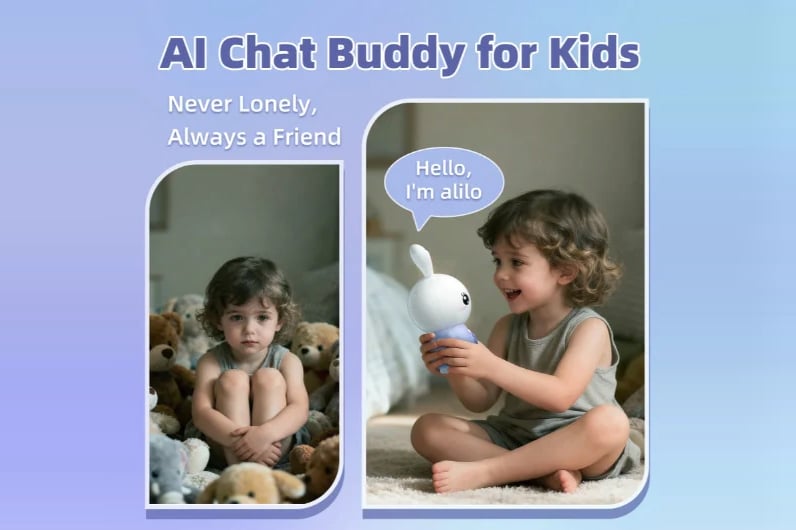
And yet there are many AI-powered toys on the market today, some of which are explicitly marketed as companions for young kids. Picture talking teddy bears with all the flaws we’ve come to expect from chatbots like ChatGPT and Gemini. The Smart AI Bunny from Alilo, for example, is described on the brand’s website as “an AI friend that comforts, teaches, and inspires.” The $329 Ropet comes with overshaped eyes equipped with facial-recognition cameras, enabling it to recognize its primary user. My Baby Bunny, a ChatGPT-powered plush toy, has equally huge digital eyes that display hearts or flames, depending on the emotion it’s supposed to be conveying. (It recently told a BBC reporter, apparently apropos of nothing, “I can’t help with killing you.”)
The absence of federal regulation over the AI industry means the responsibility for building safeguards into these toys has fallen on the shoulders of companies themselves. But some state lawmakers have also been taking action.