Tens of thousands of commercial fishing and shipping vessels sail the world’s oceans each day. This traffic can degrade habitats, produce noise, and cause collisions that threaten marine wildlife, so monitoring their activity is essential to conservation. The trouble is, some of these ships evade public tracking systems.
Globally, about three quarters of industrial fishing vessels and one quarter of transport and energy vessels go unseen, meaning they do not broadcast their locations publicly via the automatic identification system (AIS). This maritime radio broadcast system automatically transmits a ship’s identity, location, course, and speed to other nearby ships, coastal stations, and satellites. Some vessels do not broadcast due to technical issues, while others deliberately disable their AIS transponders.
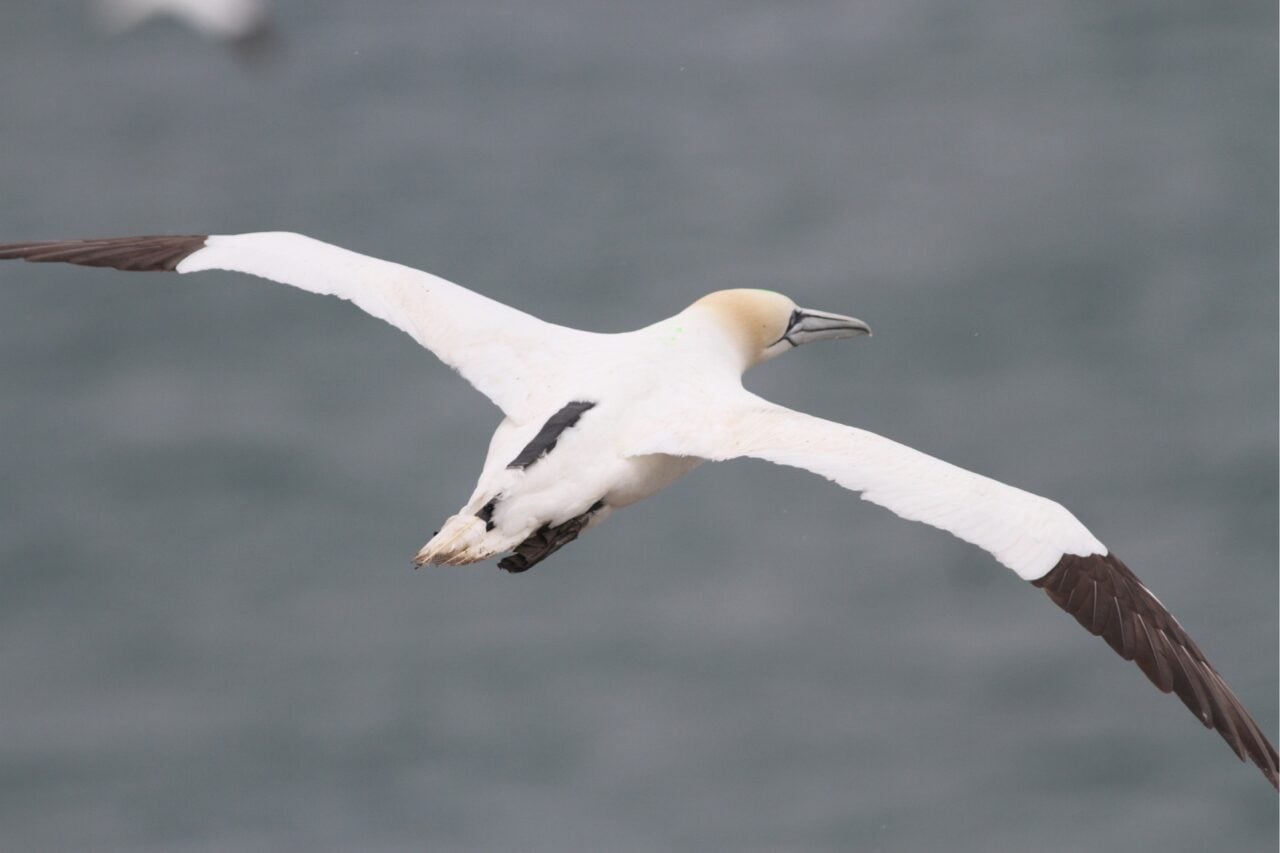
That’s a problem for scientists who rely on this tracking data to understand animal-vessel interactions and guide marine conservation, but one team of researchers has come up with a clever solution. In a study published today in the journal Science Advances, they show that seabirds equipped with audio recorders can detect unseen vessels acoustically and help fill in data gaps.
“Fishing and shipping have enormous impacts on marine life around the world,” lead author Jonathan Rutter, a postdoctoral research fellow in the Department of Biology at the University of Oxford, told Gizmodo in an email.