A fence erected along a property boundary can become more than a neighbourhood disagreement when it prevents a landowner from accessing part of his own property. In Texas, a dispute that began in 2019 over a fenced-off section of a four-acre tract has resulted in an appeals court upholding an order requiring the encroachments to be removed and a $10,000 statutory damages award.According to a November 12, 2026, memorandum opinion of the Texas Tenth Court of Appeals, available on Justia, the court largely upheld a lower court judgment in favour of Lebedzinski. However, it modified the ruling by removing a declaration that a deed executed by Russell was entirely void and striking $6,450 awarded for attorney’s fees and court costs.How a fence led to a property disputeThe dispute involved neighbouring properties in Walker County, Texas. Lebedzinski owned a four-acre tract, while Russell owned an adjoining 0.5-acre property. According to the lawsuit, Russell erected a fence across the northern end of Lebedzinski’s land and another fence along the western side of a narrow extension, or panhandle, of his property.The fenced-off portion measured approximately 0.4 acres in the original complaint, although the specific section identified in the evidence was a 0.09-acre area. Lebedzinski alleged that the fencing prevented him from accessing and using this part of his property.
Texas appeals court upholds fence removal order and $10,000 statutory damages award
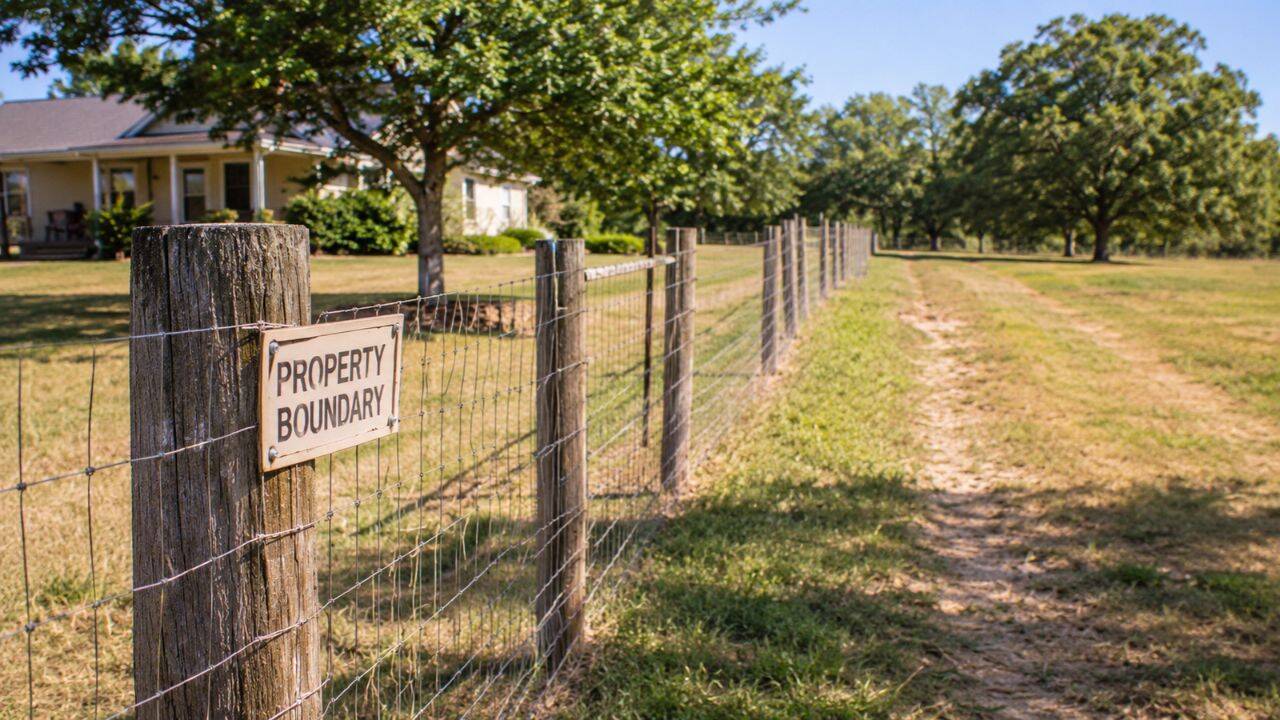
In a Texas property saga, two neighbors, Lebedzinski and Russell, found themselves in a legal feud over a four-acre piece of land, obstructed by a fence. The verdict mandated the fence's removal and rewarded $10,000 in damages. An appeals court upheld this decision but revised aspects related to the deed and attorney's fees, ultimately dismissing Russell's claims of adverse possession and notification.
In brief
A fence erected along a property boundary can become more than a neighbourhood disagreement when it prevents a landowner from accessing part of his own property. Lebedzinski owned a four-acre tract, while Russell owned an adjoining 0.5-acre property. Lebedzinski alleged that the fencing prevented him from accessing and using this part of his property.
This is the opening of the story, shared with credit to The Times of India — World. The rest of the report — with every detail — continues on the publisher’s website.
Continue reading at The Times of India — World ↗