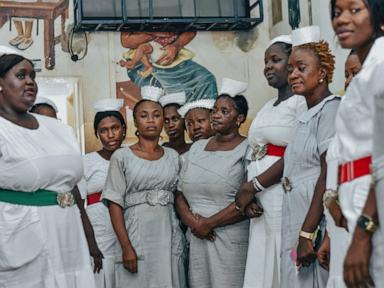
Fatmata Kamara's experience in Sierra Leone highlights both progress and challenges in maternal healthcare
FREETOWN, Sierra Leone -- During her first two pregnancies, Fatmata Kamara could not afford ultrasound scans at a hospital in Sierra Leone’s capital, Freetown. By her third, she was receiving scans and medication and spending less time waiting to see a doctor.
But care that the government says should be free still came at a cost. Kamara said she spent 1,000 leones ($44) on medication and unofficial fees during her latest pregnancy.
“This pregnancy was different because of the attention I received at the hospital,” said the 28-year-old trader who gave birth to her third child last month at a health center in Freetown’s Mabela neighborhood. The services were "far better" than in the past, she said.
Kamara’s experience reflects both the progress and persistent challenges in Sierra Leone, which has recorded one of Africa's steepest declines in maternal mortality.
The country's maternal mortality ratio fell by nearly 80% from more than 1,600 deaths per 100,000 live births in 2000 to 354 in 2023, according to the latest available U.N. estimates.
The World Health Organization attributes Sierra Leone’s declining maternal mortality rate partly to expanded health services, the introduction of free maternal health care in 2010 and the training of more skilled birth attendants.