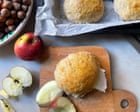
Soft, plump, sweet-savoury rolls marry historical English breakfast baps with a culinary tradition from Italy’s mountainous Trentino-Südtirol
In Elizabeth David’s English Bread and Yeast Cookery, there’s a chapter called “Manchets, Mayn and Payndemayn”, all of which were 15th-century names for rarefied soft white bread made from the finest wheat flour. As well as pages of historical context that only she could make so lively, David includes a 1615 recipe for manchet from a book called The English Huswife that calls for meal to be ground into the whitest flower, mixed with ale yeast, salt and liquor (a mixture of water and milk), before being wrapped in a cloth, kneaded with feet, left to swell, shaped, then baked in a gentle heat.
It is this form of manchet that David sees as being the common ancestor of all English breakfast breads: baps, soft rolls and dough cakes, with the presence of milk (and, therefore, fat) ensuring both crumb and crust are soft. In fact, her recipe for breakfast baps (or, rather, a recipe from Mr CG Lockyer from Crewkerne) is almost identical to manchet, although without the millstones, dough tub and feet.
Continue reading...