📰 Newspapers

UNAIDS calls for justice for women, girls living with HIV

UNAIDS calls for justice for women, girls living with HIV

Justice for women and girls living with HIV: end coercion, protect survivors, end impunity

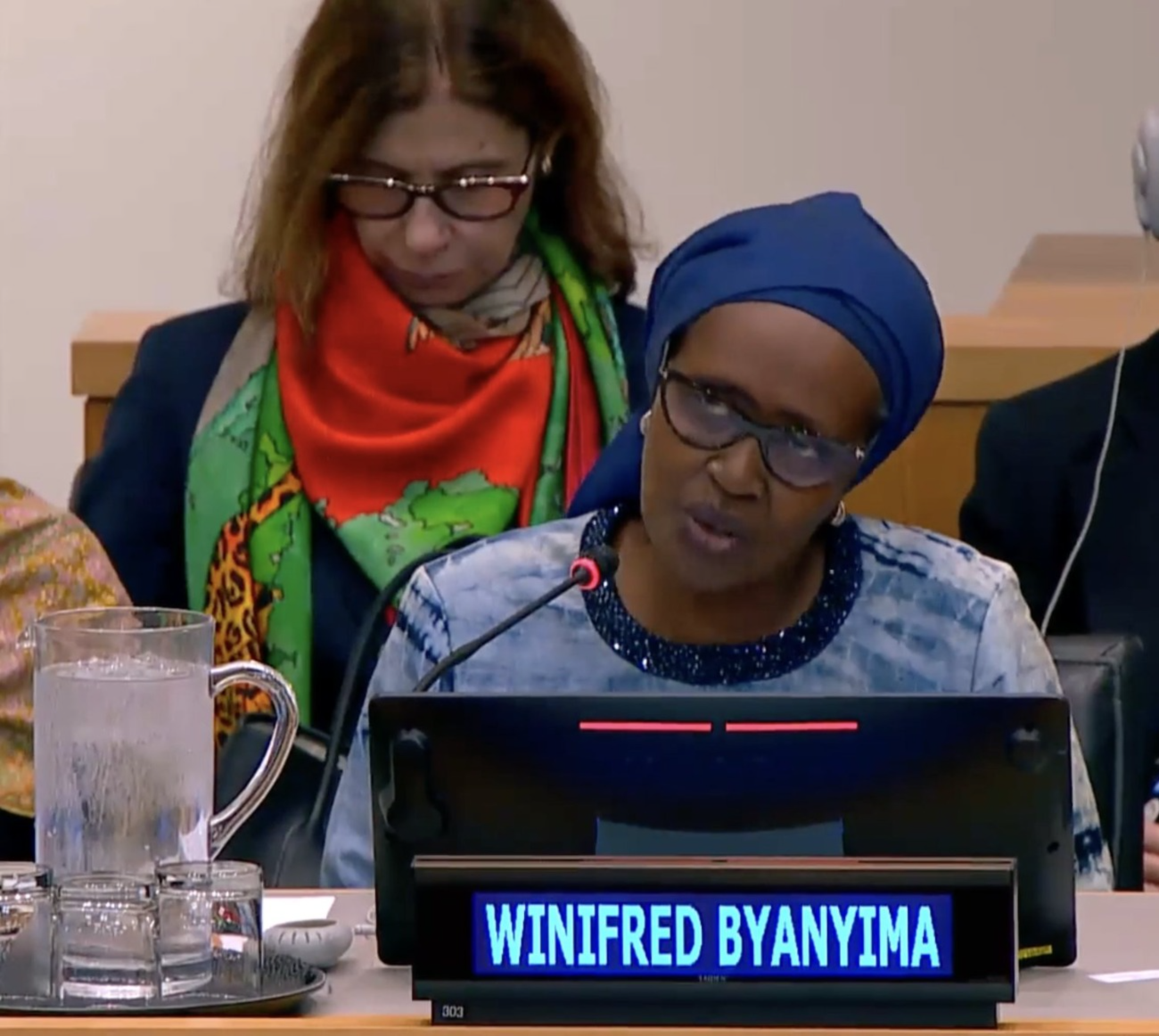
UNAIDS has called on governments to end violence, coercion and discrimination against women and girls living with and at-risk of HIV to ensure access to justice for survivors and hold perpetrators accountable.

This comes as the world marks the 16 Days of Activism against Gender-Based Violence which began on November 25, with the agency warning that violations of women’s rights and bodily autonomy continue to undermine efforts to end AIDS.

This 16 Days of Activism, UNAIDS has reaffirmed to stand with women living with HIV, their networks and partners in calling on governments to end reproductive coercion and violence in health care, including forced or coerced sterilization, contraception and infant-feeding practices, and guarantee informed consent, bodily autonomy, confidentiality and respectful care.

The campaign is meant to ensure justice and accountability for survivors, including effective remedies and reparations, and end the criminalization of women living with HIV for infant-feeding decisions as well as invest in women living with HIV and women-led networks through sustained, flexible funding for survivor support, advocacy, accountability and meaningful participation.

It builds up to the commemoration of World AIDS Day on 1 December, with UNAIDS reinforcing this year’s message: Ending AIDS starts with access. For women and girls living with and at risk of HIV, this means more than access to health services.

In brief

UNAIDS has called on governments to end violence, coercion and discrimination against women and girls living with and at-risk of HIV to ensure access to justice for survivors and hold perpetrators accountable. This comes as the world marks the 16 Days of Activism against Gender-Based Violence which began on November 25, with the agency warning that violations of women’s rights and bodily autonomy continue to undermine efforts to end AIDS. For women and girls living with and at risk of HIV, this means more than access to health services.

This is the opening of the story, shared with credit to KBC. The rest of the report — with every detail — continues on the publisher’s website.

Continue reading at KBC ↗

Cookie settings

Choose which cookies we may use. You can change this at any time from Cookie settings in the footer. Details of each cookie are in the Cookie Policy.

Strictly necessary

Needed for sign-in, security, payments and remembering these choices. Always on.

Preferences

Remember settings such as dark mode.

Analytics & performance

Help us count visits, understand which pages, devices and countries our readers use, and measure how well the site performs – anonymous and aggregated.

Advertising & marketing

Lets advertising partners show and personalise adverts, measure impressions, clicks and visits, prevent ad fraud and pay us – this is how the free site is funded.

🔔 News notifications

Get headlines from NewsHub on this device — even when the site is closed.

You can switch this off at any time. Works on Android, Windows, Mac and Linux browsers; on iPhone/iPad add the site to your Home Screen first.