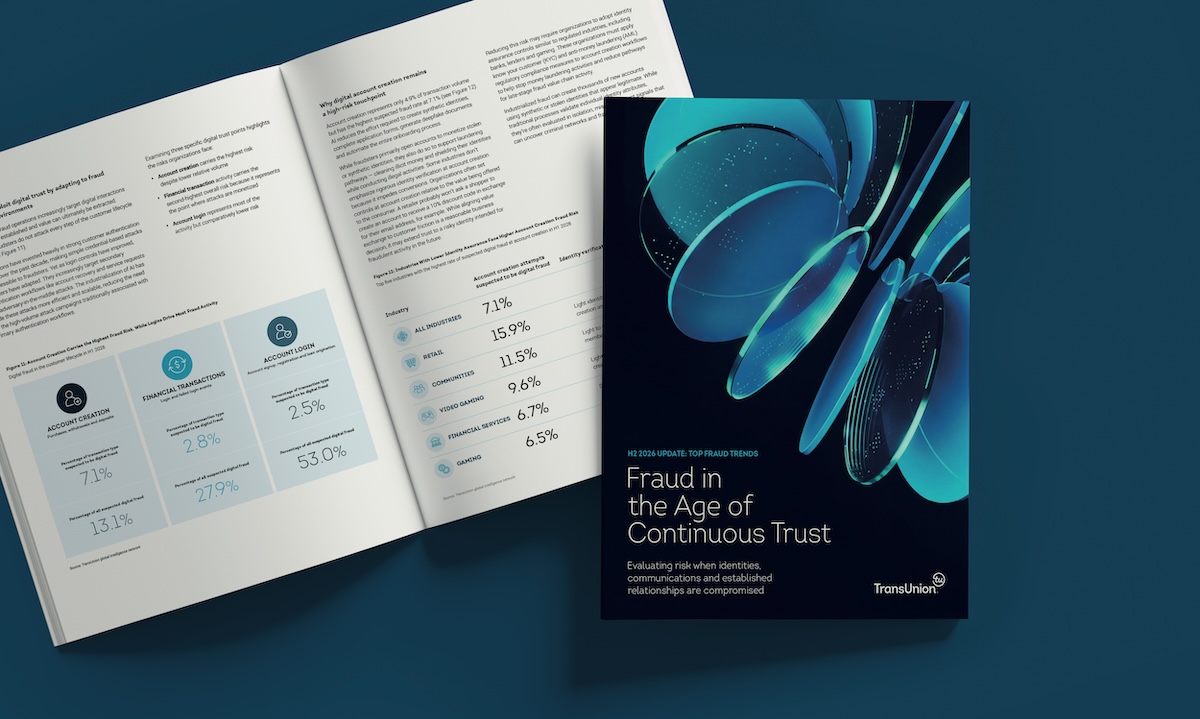
More than three in four Kenyans (77%) say they were targeted by a digital fraud scheme in the past three months, according to credit bureau TransUnion's H2 2026 Top Fraud Trends Report. Among those targeted, fraudulent text messages, known as smishing, were the most common scam at 41%. Fraudulent phone calls (vishing) followed at 40%, and phishing through fake emails, websites or social media posts at 39%. Concern about identity theft now goes beyond financial loss. Three in four Kenyans (75%) said they worry that someone could use their stolen identity to commit a crime, and 42% fear it could be used to get into workplace systems. When asked which attack methods worried them most, 56% of respondents named personal information exposed in data breaches and another 56% named email phishing. A further 46% cited information being intercepted on public Wi-Fi. "Trusted communications are often the first stage of account fraud," said Morris Maina, CEO of TransUnion Kenya. "Businesses should therefore treat communications as part of the trust journey, rather than simply as marketing or service channels. By connecting communication events with identity, device and account behaviour, organisations can identify elevated risk earlier and take action before fraud results in financial loss."
Three in four Kenyans targeted by digital fraud in three months
In brief
More than three in four Kenyans (77%) say they were targeted by a digital fraud scheme in the past three months, according to credit bureau TransUnion's H2 2026 Top Fraud Trends Report. Concern about identity theft now goes beyond financial loss. By connecting communication events with identity, device and account behaviour, organisations can identify elevated risk earlier and take action before fraud results in financial loss."
This is the opening of the story, shared with credit to Tech Trends Kenya. The rest of the report — with every detail — continues on the publisher’s website.
Continue reading at Tech Trends Kenya ↗