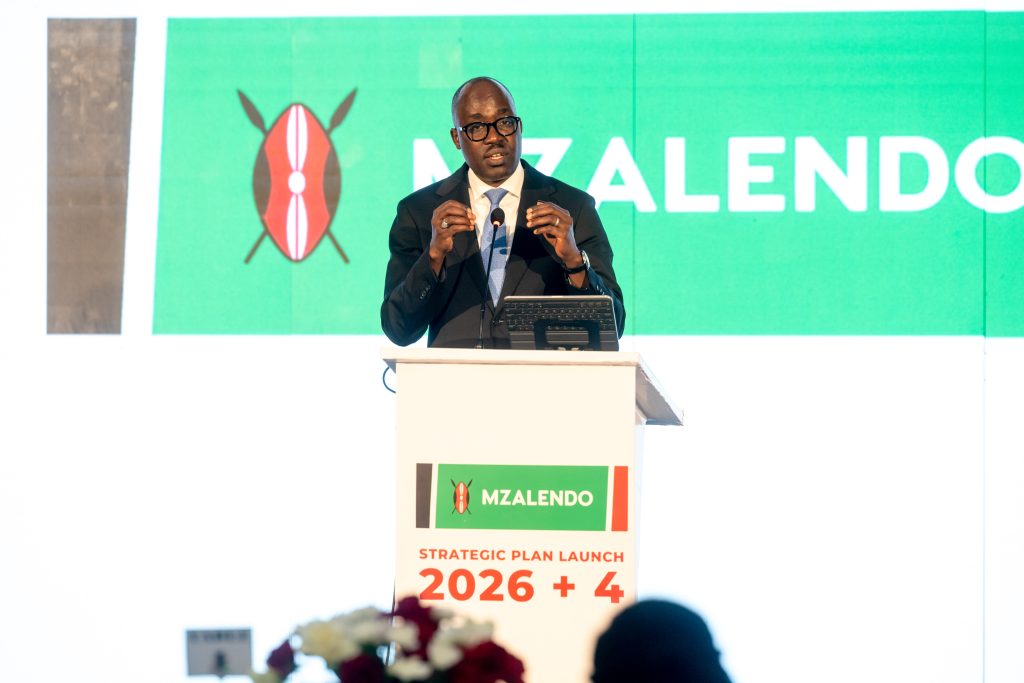
The five-year roadmap shifts the organization’s core focus from merely providing parliamentary information to actively tracking how citizen input influences laws passed by Parliament.
It places legislative data, meaningful public participation, and scrutiny of elected representatives at the heart of democratic governance across Kenya and the wider region.
“Parliamentary openness is an essential part of open government where citizens need to understand not only what the government is doing but also how laws are developed, how public resources are utilised and how elected representatives exercise their constitutional responsibilities,'” Dr. Korir Sing’oei, Principal Secretary, State Department for Foreign Affairs Ministry, said.
Stressing the importance of partnership in delivering open governance, Dr. Sing’oei urged Government institutions to remain accountable for their decisions and constitutional responsibilities adding that Parliament must exercise its legislative and oversight functions.
Civil society, he added, must retain its independence to monitor, question and contribute.
Parliamentary Budget Office’s November 2026 Budget Options paper shows that public debt reached KSh13.1 trillion at the end of June 2026, while interest payments in the 2025/26 financial year amounted to KSh1.074 trillion. It also reveals that revenue was KSh60.2 billion below target.
These figures underline the importance of transparent public decisions, effective legislative oversight and an informed citizenry that can critically analyse how fiscal choices have direct consequences for households, businesses and public…