📰 Newspapers

Thailand tests find high lead, arsenic in river shellfish

Thailand tests find high lead, arsenic in river shellfish

Residents have been urged to avoid eating 10 species including shellfish and river snails.

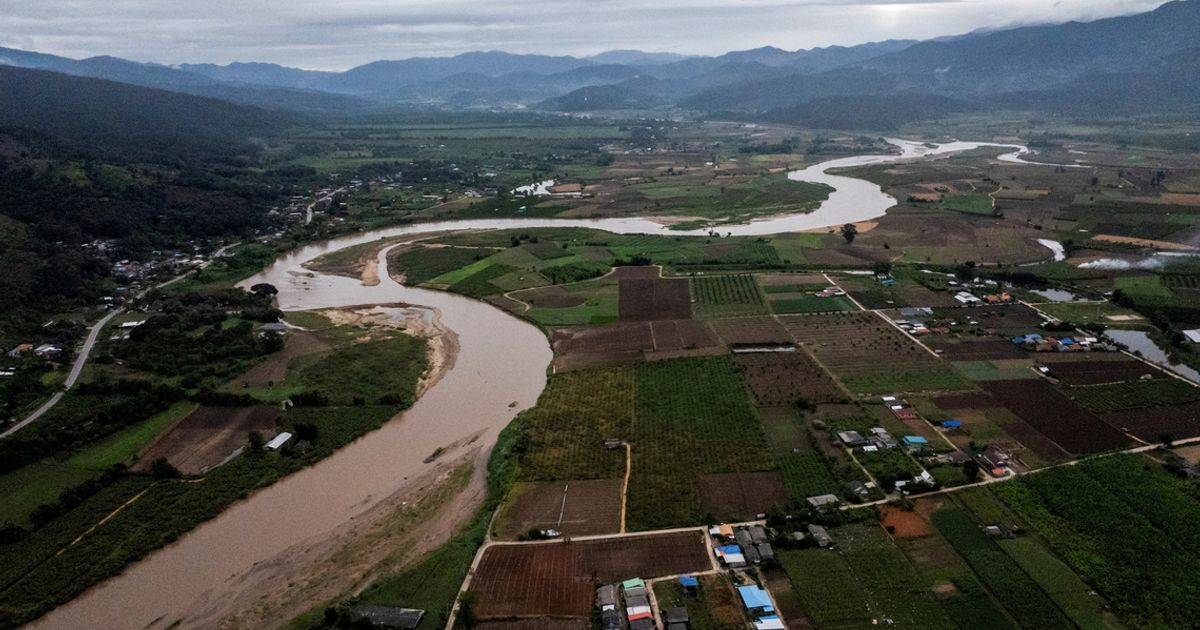
BANGKOK – Thai authorities have found dangerous levels of arsenic and lead in shellfish and other species in rivers contaminated by suspected mining pollution from neighbouring Myanmar, an official said on Nov 26.

The findings, from nearly two years of testing, prompted authorities to urge residents to avoid eating 10 species including shellfish and river snails.

The warning came earlier this week, but with no details of the contamination levels found and testing processes.

An official from Thailand’s fisheries department, speaking on condition of anonymity as they were not authorised to talk to media, told AFP that over 500 samples were taken from five rivers, and 18 had heavy metals at levels over safety limits.

The details came as Thai officials held talks in Bangkok to try to address growing public fears about river contamination from mining operations in war-torn Myanmar.

Heavy metals including mercury, lead, cadmium and arsenic were found at levels exceeding safety standards in 10 species, the fisheries department official said.

In some, arsenic was detected at nearly four times the permitted limit and lead at nearly six times the limit.

The affected species include freshwater shrimp, river snails, freshwater mussels and horse mussels, as well as local fish that feed on them, the official said.

In brief

BANGKOK – Thai authorities have found dangerous levels of arsenic and lead in shellfish and other species in rivers contaminated by suspected mining pollution from neighbouring Myanmar, an official said on Nov 26. Heavy metals including mercury, lead, cadmium and arsenic were found at levels exceeding safety standards in 10 species, the fisheries department official said.

This is the opening of the story, shared with credit to The Straits Times — Asia. The rest of the report — with every detail — continues on the publisher’s website.

Continue reading at The Straits Times — Asia ↗

Cookie settings

Choose which cookies we may use. You can change this at any time from Cookie settings in the footer. Details of each cookie are in the Cookie Policy.

Strictly necessary

Needed for sign-in, security, payments and remembering these choices. Always on.

Preferences

Remember settings such as dark mode.

Analytics & performance

Help us count visits, understand which pages, devices and countries our readers use, and measure how well the site performs – anonymous and aggregated.

Advertising & marketing

Lets advertising partners show and personalise adverts, measure impressions, clicks and visits, prevent ad fraud and pay us – this is how the free site is funded.

🔔 News notifications

Get headlines from NewsHub on this device — even when the site is closed.

You can switch this off at any time. Works on Android, Windows, Mac and Linux browsers; on iPhone/iPad add the site to your Home Screen first.