TUI Group is regarded as the world's largest integrated tourism group. The firm includes around 460 hotels, 19 cruise ships, five airlines with 125 aircraft and around 1,200 travel agencies with a total of 67,000 employees.In 2025 the tourism group, headquartered in Hanover, generated revenue of €24.2 billion and an operating profit before interest and taxes of €1.46 billion.On 9 December the travel group will present its annual figures for 2026.Euronews spoke to Sebastian Ebel at an economic and innovation summit on the cruise ship "Mein Schiff Flow" in the northern-German city of Kiel.Euronews: In your view, what should the EU do to stimulate the economy and strengthen competitiveness?Sebastian Ebel: Bureaucracy is not only the EU's responsibility, national governments are responsible for it as well. I always use Denmark as an example: just as much a member of the EU as Germany, but with a far lower density of regulation. That is perhaps the first point, that we should organise these things that we can regulate ourselves, ourselves and differently and better. Of course in my view the EU apparatus, and I am a convinced European, it is the best peace model we have ever had, needs to be reformed. That includes streamlining it, cutting back regulation and focusing on guard rails.Euronews: Businesses also complain about labour shortages.
TUI boss wants EU to cut bureaucracy, attract talent and expand green energy
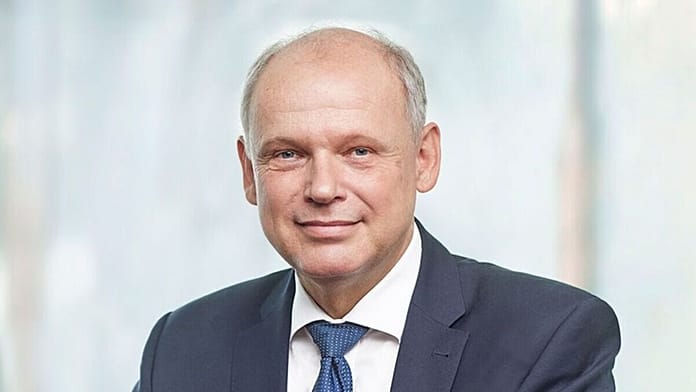
Euronews spoke with TUI's CEO Sebastian Ebel about manure-powered cruise ships, migration, dependence on the US, Artificial Intelligence, and the future of tourism.
In brief
TUI Group is regarded as the world's largest integrated tourism group. I always use Denmark as an example: just as much a member of the EU as Germany, but with a far lower density of regulation. That is perhaps the first point, that we should organise these things that we can regulate ourselves, ourselves and differently and better. That includes streamlining it, cutting back regulation and focusing on guard rails.Euronews: Businesses also complain about labour shortages.
This is the opening of the story, shared with credit to Euronews. The rest of the report — with every detail — continues on the publisher’s website.
Continue reading at Euronews ↗