📰 Newspapers

Non-Muslim Kenyans in Saudi Arabia Warned Against Entering Mecca and Pilgrimage Zones

Non-Muslim Kenyans in Saudi Arabia Warned Against Entering Mecca and Pilgrimage Zones

Kenyans heading to Saudi Arabia for work, business, or tourism should confirm their exact destinations before booking travel to avoid violating strict laws that bar non-Muslims from Islamic sacred areas.

The Kenyan Embassy in Riyadh issued the practical reminder in an advisory on Wednesday, November 25, following a move by Saudi authorities to reiterate existing entry regulations. According to the diplomatic mission, crossing into restricted religious zones as a non-Muslim constitutes an offense under the Kingdom's laws, regardless of a person's nationality or immigration status.

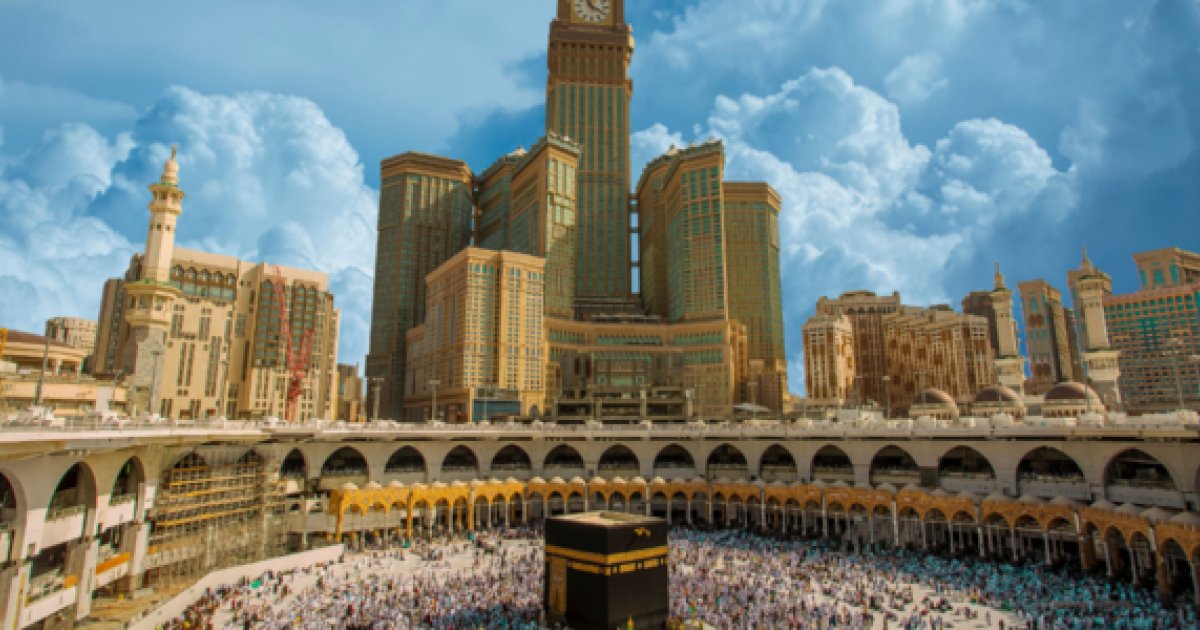
While foreign nationals are permitted to enter and visit other parts of Saudi Arabia, the law strictly prohibits non-Muslim visitors and residents from entering the Holy Haram of Mecca and surrounding pilgrimage areas collectively known as Al-Mashaer Al-Muqaddasah.

The Mwakilishi Daily News Digest: Kenya and diaspora news, once a day. Free, and you can unsubscribe anytime.

“The Embassy wishes to inform all Kenyans that the Kingdom of Saudi Arabia has reiterated its existing laws and regulations prohibiting non-Muslims from crossing into or entering the boundaries of the Holy Haram of Makkah and the Holy Sacred Sites (Al-Mashaer Al-Muqaddasah),” the advisory stated.

Saudi authorities enforce this restriction, which is rooted in Islamic religious tradition, through designated entry boundaries and security checkpoints around the city.

In brief

Kenyans heading to Saudi Arabia for work, business, or tourism should confirm their exact destinations before booking travel to avoid violating strict laws that bar non-Muslims from Islamic sacred areas. While foreign nationals are permitted to enter and visit other parts of Saudi Arabia, the law strictly prohibits non-Muslim visitors and residents from entering the Holy Haram of Mecca and surrounding pilgrimage areas collectively known as Al-Mashaer Al-Muqaddasah.

This is the opening of the story, shared with credit to Mwakilishi. The rest of the report — with every detail — continues on the publisher’s website.

Continue reading at Mwakilishi ↗

Cookie settings

Choose which cookies we may use. You can change this at any time from Cookie settings in the footer. Details of each cookie are in the Cookie Policy.

Strictly necessary

Needed for sign-in, security, payments and remembering these choices. Always on.

Preferences

Remember settings such as dark mode.

Analytics & performance

Help us count visits, understand which pages, devices and countries our readers use, and measure how well the site performs – anonymous and aggregated.

Advertising & marketing

Lets advertising partners show and personalise adverts, measure impressions, clicks and visits, prevent ad fraud and pay us – this is how the free site is funded.

🔔 News notifications

Get headlines from NewsHub on this device — even when the site is closed.

You can switch this off at any time. Works on Android, Windows, Mac and Linux browsers; on iPhone/iPad add the site to your Home Screen first.