📰 Newspapers

Africa: Opposition voices face growing pressure

Africa: Opposition voices face growing pressure

Opposition politicians and government critics say arrests, prosecutions and restrictions on public activity are making it harder to challenge those in power. Is a broader pattern emerging?

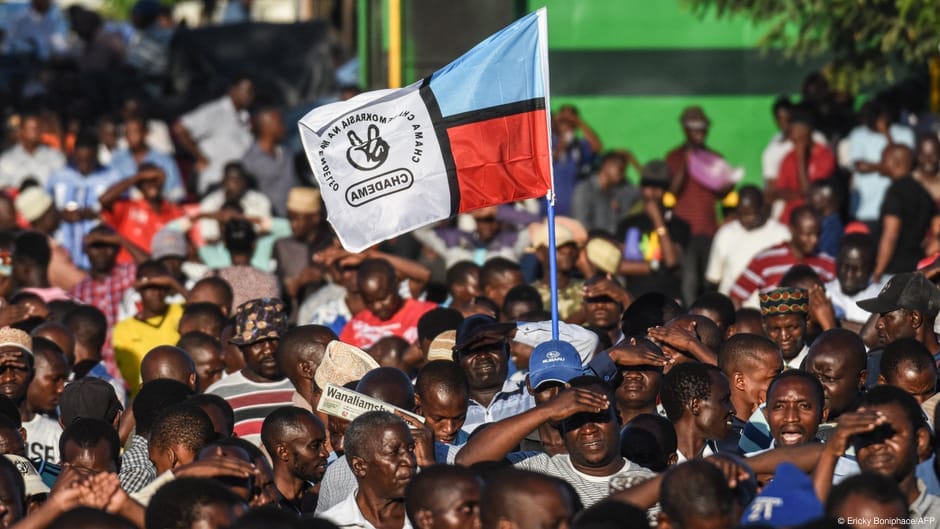
From Cameroon and Tanzania to Mozambique, Nigeria and Zambia, opposition leaders have accused authorities of limiting political freedoms through legal action and restrictions on public activity.

In each case, officials say the measures are justified under national laws and security provisions.

"Cameroon is very sensitive, and it is important that we know when to criticize the government and when not to criticize the government openly," said Ngam Glory Ani Mbom, a citizen of the Central African country.

She says fear of arrest and violence discourages political participation. "You cannot talk about democracy when opposition supporters cannot freely express their minds to the public," she told DW.

For Nda Grimbald, deputy secretary-general of Cameroon's opposition Social Democratic Front, one of the biggest obstacles is organizing public meetings.

"The first major challenge we face as members of the opposition is the non-authorization of public rallies, public meetings," he told DW, noting that opposition proposals receive little attention in parliament. "Private members' bills are not even listened to."

Cameroonian law guarantees freedom of assembly but allows authorities to restrict gatherings on grounds of public order or national security. Organizers are also required to notify officials in advance.

In Tanzania, opposition leader Tundu Lissu was arrested in April 2025 and charged with treason.

In brief

From Cameroon and Tanzania to Mozambique, Nigeria and Zambia, opposition leaders have accused authorities of limiting political freedoms through legal action and restrictions on public activity. "You cannot talk about democracy when opposition supporters cannot freely express their minds to the public," she told DW. "The first major challenge we face as members of the opposition is the non-authorization of public rallies, public meetings," he told DW, noting that opposition proposals receive little attention in parliament.

This is the opening of the story, shared with credit to DW — Top stories. The rest of the report — with every detail — continues on the publisher’s website.

Continue reading at DW — Top stories ↗

Cookie settings

Choose which cookies we may use. You can change this at any time from Cookie settings in the footer. Details of each cookie are in the Cookie Policy.

Strictly necessary

Needed for sign-in, security, payments and remembering these choices. Always on.

Preferences

Remember settings such as dark mode.

Analytics & performance

Help us count visits, understand which pages, devices and countries our readers use, and measure how well the site performs – anonymous and aggregated.

Advertising & marketing

Lets advertising partners show and personalise adverts, measure impressions, clicks and visits, prevent ad fraud and pay us – this is how the free site is funded.

🔔 News notifications

Get headlines from NewsHub on this device — even when the site is closed.

You can switch this off at any time. Works on Android, Windows, Mac and Linux browsers; on iPhone/iPad add the site to your Home Screen first.