

A collection of 114 silver coins buried during the late Roman period and discovered during road construction in Kent more than six decades ago has sold for £23,240 at auction. The money will help preserve the archives of the local historical society whose members played a major role in recovering the ancient treasure.The coins formed the first part of the Springhead Hoard, discovered on October 22, 1964, when workers were widening the A2 road near Springhead in Kent, England. Members of the Gravesend Historical Society joined the recovery effort after the hoard was uncovered.According to the official website of auction house Noonans, the 114 silver coins, known as ‘siliquae,’ were sold on November 10, 2026. All the coins found buyers, and the sale exceeded the auction's highest estimate of £15,000. The remaining coins owned by the society are scheduled to be offered in spring 2027.The proceeds will support the society, which was founded in 1924 and recently marked its centenary. The money will be used to store, conserve and digitise its research archive, including photographs, documents, excavation records and artefacts from the Roman site.Coins remained buried for around 1,600 yearsThe Springhead Hoard is believed to have been buried around AD 388, during a period of political unrest, raids and rebellion in the late Roman Empire.
114 Roman silver coins found during 1964 roadworks sell for £23,240 to fund local history archive
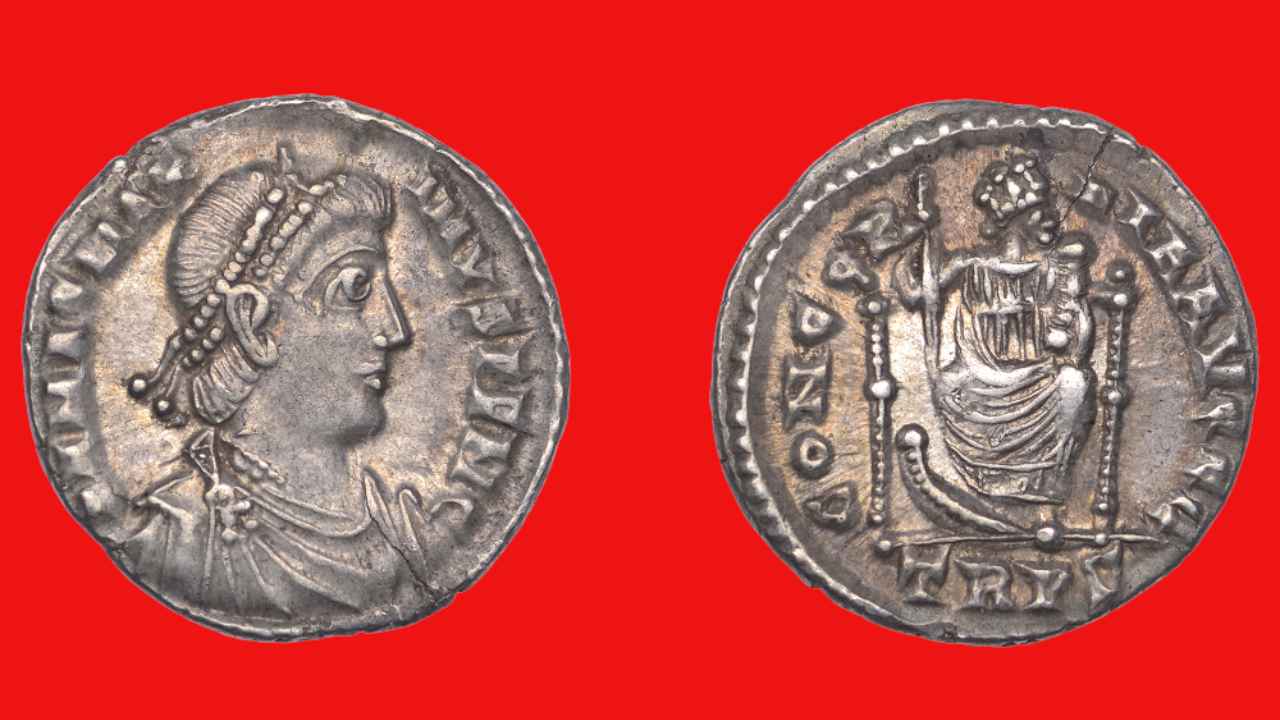
A remarkable auction took place in Kent, where 114 Roman silver coins fetched a stunning £23,240. Discovered in 1964 during roadworks and hidden for approximately 1,600 years, these coins have a rich history. The Gravesend Historical Society was instrumental in unearthing treasures from the Springhead Hoard. The unexpected auction success will help fund the digitization and preservation of the society's historical…
In brief
A collection of 114 silver coins buried during the late Roman period and discovered during road construction in Kent more than six decades ago has sold for £23,240 at auction. The money will be used to store, conserve and digitise its research archive, including photographs, documents, excavation records and artefacts from the Roman site.Coins remained buried for around 1,600 yearsThe Springhead Hoard is believed to have been buried around AD 388, during a period of political unrest, raids and rebellion in the late Roman Empire.
This is the opening of the story, shared with credit to The Times of India — World. The rest of the report — with every detail — continues on the publisher’s website.
Continue reading at The Times of India — World ↗