📰 Newspapers

Morocco signs two agreements to fund local defense industry

Morocco signs two agreements to fund local defense industry

Rather than relying only on government defense spending, the plan brings together government ministries, public funds, universities, banks, business groups, and investors.

Morocco has signed two major agreements to fund and grow its local defense and security industry, backed by nearly 22 billion dirhams in public support and a planned new agency.

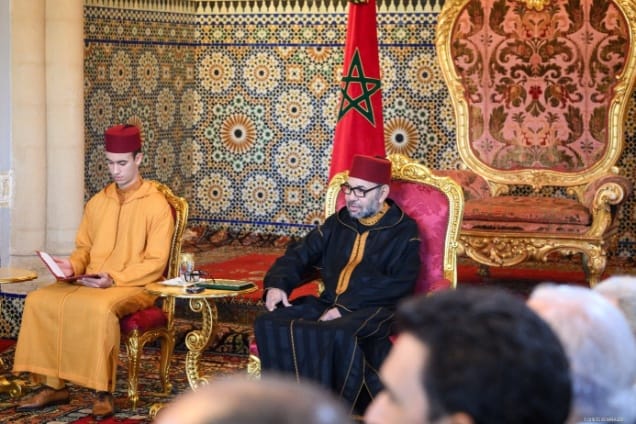
King Mohammed VI of Morocco, joined by Crown Prince Moulay El Hassan, led the signing ceremony on Wednesday, November 25, 2026, at the Royal Palace in Rabat.

This follows royal instructions issued on November 18, 2026, to accelerate the “Morocco Offer” plan to build a local defense and security sector.

Rather than relying only on government defense spending, the plan brings together government ministries, public funds, universities, banks, business groups, and investors.

The first agreement covers financing for the plan and was signed by top officials from the ministries of interior, finance, industry, and defense administration.

The second agreement aims to bring in private companies, banks, and capital markets, signed by officials and leaders from Bank Al-Maghrib, the banking group GPBM, the business group CGEM, market regulator AMMC, the Casablanca Stock Exchange, and investor group AMIC.

Speaking at the event, Ali Seddiki, head of the Moroccan Investment and Export Development Agency (AMDIE), said the goal is to build a competitive local defense and security industry.

He noted that public partners have helped secure nearly 22 billion dirhams for the effort and that local factories are meant to supply 40 percent…

In brief

Morocco has signed two major agreements to fund and grow its local defense and security industry, backed by nearly 22 billion dirhams in public support and a planned new agency. This follows royal instructions issued on November 18, 2026, to accelerate the “Morocco Offer” plan to build a local defense and security sector. Rather than relying only on government defense spending, the plan brings together government ministries, public funds, universities, banks, business groups, and investors.

This is the opening of the story, shared with credit to KBC. The rest of the report — with every detail — continues on the publisher’s website.

Continue reading at KBC ↗

Cookie settings

Choose which cookies we may use. You can change this at any time from Cookie settings in the footer. Details of each cookie are in the Cookie Policy.

Strictly necessary

Needed for sign-in, security, payments and remembering these choices. Always on.

Preferences

Remember settings such as dark mode.

Analytics & performance

Help us count visits, understand which pages, devices and countries our readers use, and measure how well the site performs – anonymous and aggregated.

Advertising & marketing

Lets advertising partners show and personalise adverts, measure impressions, clicks and visits, prevent ad fraud and pay us – this is how the free site is funded.

🔔 News notifications

Get headlines from NewsHub on this device — even when the site is closed.

You can switch this off at any time. Works on Android, Windows, Mac and Linux browsers; on iPhone/iPad add the site to your Home Screen first.