

New HIV diagnoses in Greece have fallen year-over-year, but challenges remain, preliminary health data shows.As of October, 490 new cases were recorded this year in the National HIV Registry, corresponding to 4.7 diagnoses per 100,000 population.New diagnoses are at lower levels than in the same period of 2025, according to data from the National Public Health Organisation (EODY).Despite the decline, there are significant challenges for timely diagnosis and epidemiological surveillance. Roughly half of the cases for which data were available were diagnosed at a late stage, and authorities don't know how the infection spread in a significant proportion of cases.According to EODY data, 22,408 HIV infection cases have been recorded through October 2026. Among those cases, 5,200 people developed AIDS and 3,980 died. Meanwhile, 11,891 HIV patients received antiretroviral therapy (ART) to suppress their viral loads.As for the new diagnoses, 84.1% were among men and 15.9% were among women.Unprotected sexual contact continues to be the main way HIV spreads in Greece. Among the 490 new diagnoses, 41.6% concerned men who had unprotected sexual contact with men. Another 12.7% were linked to unprotected heterosexual sex, while 10.6% were linked to shared needles and other intravenous drug use.However, the number of cases for which the transmission route is undefined or has not been filled in remains particularly high.
Half of new HIV diagnoses in Greece are made late, early data shows
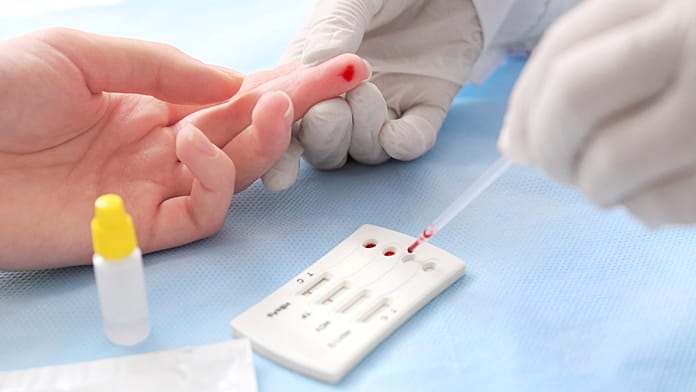
The number of new HIV diagnoses has fallen over the past year, but late diagnoses remain a challenge in Greece.
In brief
New HIV diagnoses in Greece have fallen year-over-year, but challenges remain, preliminary health data shows.As of October, 490 new cases were recorded this year in the National HIV Registry, corresponding to 4.7 diagnoses per 100,000 population.New diagnoses are at lower levels than in the same period of 2025, according to data from the National Public Health Organisation (EODY).Despite the decline, there are significant challenges for timely diagnosis and epidemiological surveillance.
This is the opening of the story, shared with credit to Euronews. The rest of the report — with every detail — continues on the publisher’s website.
Continue reading at Euronews ↗