📰 Newspapers

Iran’s role in Arab allies’ underground warfighting

Iran’s role in Arab allies’ underground warfighting

When it comes to Iran and its Arab non-state allies, the conventional wisdom is that Tehran is the all-giving mothership, supplying the money, weapons, training and know-how and ideological direction that guide their every move. There is considerable truth to Iran's central role, but the notion that Hezbollah in Lebanon, Hamas in Gaza and the Houthis in Yemen are merely extensions of Iranian power overlooks an important part of their history.

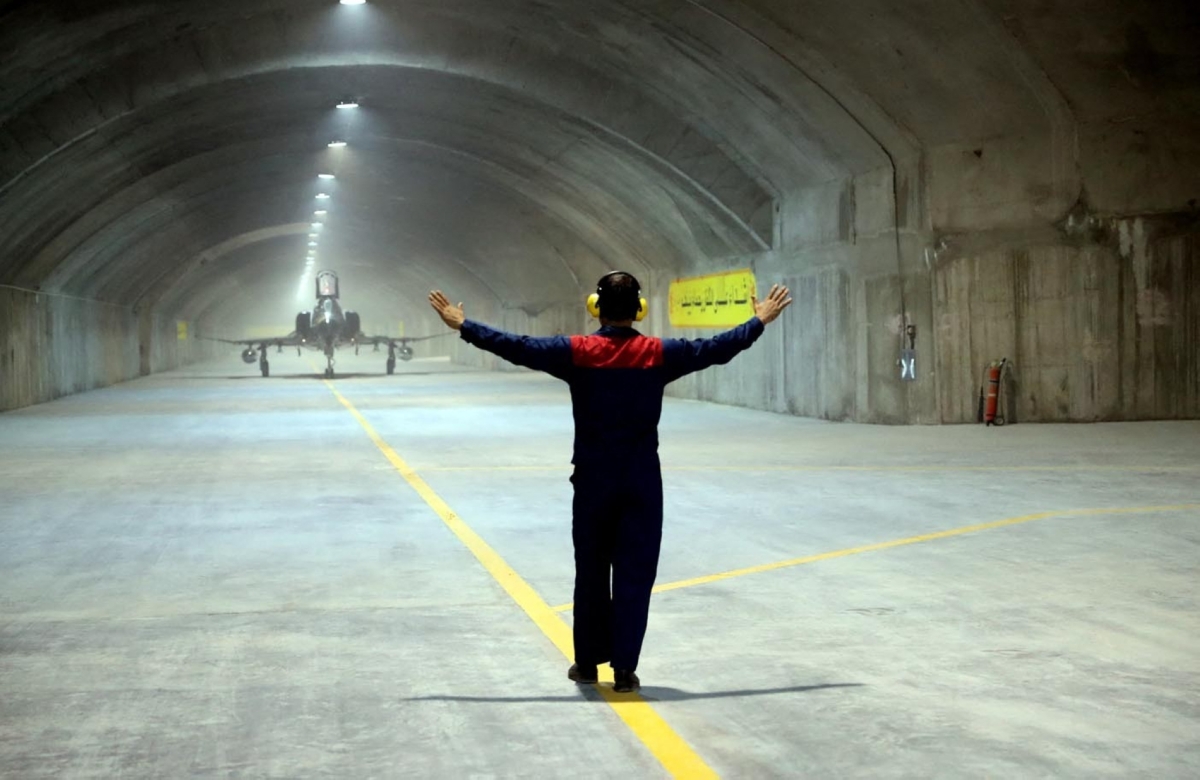
Take the extensive underground military infrastructure these groups have built. The resemblance to Iran's own underground missile cities is striking. All four have invested in tunnels, concealed weapons facilities, and protected military positions to survive attacks by enemies with overwhelming air superiority. But does this mean Iran exported its underground warfare doctrine to its Arab allies?

The answer is more complicated. Tehran has helped these movements acquire weapons, technical expertise and military capabilities. Yet the history of underground warfare in Gaza, Lebanon and Yemen shows that each had compelling reasons of its own to go underground. In fact, the Iranian model itself was partly inspired by foreign experiences.

Iran's missile programme was born out of desperation during the 1980–1988 war with Iraq. Saddam Hussein's forces were attacking Iranian cities with missiles, while Tehran lacked the means to respond in kind.

In brief

When it comes to Iran and its Arab non-state allies, the conventional wisdom is that Tehran is the all-giving mothership, supplying the money, weapons, training and know-how and ideological direction that guide their every move. The resemblance to Iran's own underground missile cities is striking. But does this mean Iran exported its underground warfare doctrine to its Arab allies?

This is the opening of the story, shared with credit to Arab News. The rest of the report — with every detail — continues on the publisher’s website.

Continue reading at Arab News ↗

Cookie settings

Choose which cookies we may use. You can change this at any time from Cookie settings in the footer. Details of each cookie are in the Cookie Policy.

Strictly necessary

Needed for sign-in, security, payments and remembering these choices. Always on.

Preferences

Remember settings such as dark mode.

Analytics & performance

Help us count visits, understand which pages, devices and countries our readers use, and measure how well the site performs – anonymous and aggregated.

Advertising & marketing

Lets advertising partners show and personalise adverts, measure impressions, clicks and visits, prevent ad fraud and pay us – this is how the free site is funded.

🔔 News notifications

Get headlines from NewsHub on this device — even when the site is closed.

You can switch this off at any time. Works on Android, Windows, Mac and Linux browsers; on iPhone/iPad add the site to your Home Screen first.